For many edentulous patients, the denture they are already wearing is more than a prosthesis. It is a record of their smile, bite, lip support, phonetics, vertical dimension, and daily comfort. When a patient wants better retention and stability, the current denture may become one of the most valuable starting points in the entire implant overdenture workflow.
An implant overdenture is a removable prosthesis that attaches to two or more implants for improved retention and stability while still allowing the patient to remove it for cleaning. Compared with a fixed full-arch restoration, it can be more affordable, easier to maintain, and appropriate for patients with limited bone volume, financial constraints, or a strong preference for removable prosthetics. Clinical consensus statements have also long supported the mandibular two-implant overdenture as a first-choice standard of care for many edentulous mandibular patients.
But the biggest planning mistake is treating the conversion as “just adding attachments.” To convert denture to implant overdenture predictably, the team must first decide whether the current denture is worth copying, improving, or replacing. If the patient loves the smile, speaks well, and has a stable vertical dimension, the existing prosthesis can serve as a blueprint. If the denture is worn, unstable, overclosed, poorly adapted, or esthetically rejected, copying it may preserve the very problems the implants were supposed to solve.
This guide explains how to use the current prosthesis as a record in implant overdenture planning. We will cover when to duplicate the denture, when to scan it, how to evaluate vertical dimension overdenture records, how a duplicate denture surgical guide supports prosthetically driven placement, and why attachment planning overdenture decisions must happen before surgery, not after.
Why the Existing Denture Is Such a Powerful Record
The Denture Already Contains the Patient’s Functional History
A well-made, well-accepted denture carries clinical information that is difficult to recreate from scratch. It shows where the patient is used to seeing teeth, how much lip support they tolerate, where the midline sits, how the occlusal plane was built, and whether speech sounds are working. Digital edentulous implant workflows often begin by establishing the desired vertical dimension, smile line, tooth position, occlusion, and phonetics, and the current denture can be one of the easiest ways to preserve that information when it is already correct.
A usable current denture can help record:
- Tooth position and arch form
- Incisal display and smile line
- Midline and tooth arrangement
- Lip and cheek support
- Occlusal vertical dimension
- Centric relation or habitual closure reference
- Phonetics, especially “F,” “V,” and “S” sounds
- Denture border extensions and flange contours
- Esthetic preferences the patient already accepts
This is why many clinicians do not start overdenture treatment planning with implants. They start with the prosthesis. The goal is not just to place implants in available bone; the goal is to place implants where they will support the final prosthetic design.
The Current Denture Can Reduce Guesswork
When the patient says, “I like how this denture looks, but it moves too much,” that is an ideal starting point. The clinician can use the denture as a smile record and convert denture to implant overdenture without redesigning every variable. The implants are then used to improve retention and stability while maintaining the esthetics and facial support the patient already recognizes.
This is especially helpful for elderly patients, medically fragile patients, and patients who struggle with long appointments. A current prosthesis that already works esthetically can simplify communication because the team can ask very specific questions:
- Do you like the tooth size?
- Do you like the shade?
- Do you show enough teeth when smiling?
- Do you feel like your face is supported?
- Do you speak clearly?
- Do you want the new result to look the same, better, or completely different?
Those answers guide whether the case should be an exact conversion, a copied-and-improved prosthesis, or a full remake.
When the Existing Denture Should Not Be Copied Blindly
A Bad Denture Becomes a Bad Surgical Record
The current prosthesis is only useful if it represents a desirable final outcome. A poor-fitting denture that is scanned or duplicated can transfer its errors into the guide, implant plan, and final overdenture. Digital dual-scan guidance emphasizes that the scan appliance should fit intimately against the tissues; if there is space between the denture intaglio and soft tissue, the surgical guide may fit the same incorrect way and introduce error.
Do not copy the existing denture without correction if it has:
- Poor tissue adaptation
- An unstable bite
- A collapsed vertical dimension
- Severely worn posterior teeth
- A midline or tooth arrangement the patient dislikes
- Excessive flange thickness or poor lip support
- Repeated fracture lines
- Soft liner contamination or instability
- Unclear centric relation records
In those cases, the denture may still be useful as a reference, but it should not become the final blueprint. The better plan may be to make a corrected duplicate, reline the intaglio, create a new setup, or fabricate a diagnostic denture before implant placement.
The Patient’s Complaint Tells You What to Preserve and What to Change
The best overdenture treatment planning starts with a simple separation:
- What does the patient like about the current denture?
- What does the patient want changed?
- What clinical problems must be corrected even if the patient does not notice them?
For example, a patient may love the tooth display but have a collapsed vertical dimension. Another may like the fit but dislike the shade. Another may have a denture that looks good but has no restorative space for housings. If the team does not identify these issues before surgery, the final implant overdenture may be compromised before the first implant is placed.
What It Really Means to Convert Denture to Implant Overdenture
Option 1: Retrofit the Existing Denture
In selected cases, the simplest way to convert denture to implant overdenture is to retrofit the current denture by picking up attachment housings chairside or in the lab. This can reduce cost and preserve the patient’s familiar esthetics. Existing complete dentures can sometimes be retrofitted to implants, especially when the patient likes the denture and the prosthesis has enough strength and space for components.
This approach works best when:
- The denture is relatively new or structurally sound
- The patient likes the esthetics
- The vertical dimension is acceptable
- The intaglio can be relieved without weakening the base
- The attachment housings can fit without interfering with tooth position
- Occlusion can be refined after pickup
It works poorly when the denture is thin, fractured, overclosed, excessively worn, or already rejected by the patient.
Option 2: Duplicate the Denture and Convert the Copy
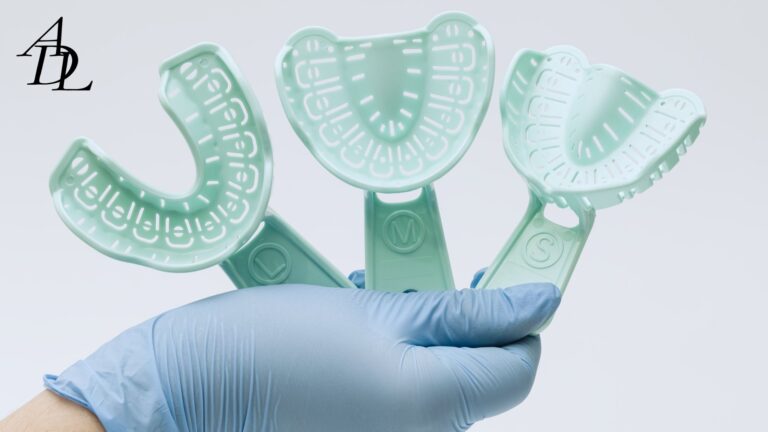
A safer approach is often to duplicate the denture and convert the duplicate rather than risking the patient’s only prosthesis. A duplicate denture can function as a diagnostic appliance, interim prosthesis, radiographic guide, surgical guide, custom tray, or conversion prosthesis depending on the workflow. A published technique for mandibular implant-retained overdenture planning describes a multipurpose duplicate denture that can serve as a radiographic guide, surgical template, and custom tray adapted to the patient’s occlusion.
This is where the duplicate denture surgical guide concept becomes especially valuable. It allows the restorative plan to drive implant location. Instead of placing implants first and then asking the lab to make attachments fit wherever they land, the team uses the denture tooth setup and base contours to guide surgical planning.
Option 3: Use the Denture as a Reference, Then Make a New Prosthesis
Sometimes the correct way to convert denture to implant overdenture is not to convert the denture physically. Instead, the current denture is scanned, photographed, evaluated, and used as a comparison record while a new prosthesis is designed.
This is often the best approach when:
- The patient wants a new smile
- The vertical dimension needs to change
- The occlusion is unstable
- The base is too thin for attachments
- The existing prosthesis is too worn or distorted
- Attachment placement would make the old denture bulky or weak
In these cases, the current denture is still useful. It tells the team where the patient started and what must be improved.
The Records Needed Before Implant Overdenture Planning
The Existing Denture Scan
An existing denture scan captures the prosthesis digitally so the team can preserve, evaluate, and modify its shape. This may include an extraoral scan of the cameo surface, intaglio surface, and occlusion, plus an intraoral scan or impression of the edentulous ridge. Digital workflows for edentulous implant cases often use the current denture or a duplicate as part of the scanning guide and articulation process.
An existing denture scan is useful because it can document:
- Tooth setup
- Base contour
- Flange extension
- Tissue-bearing surface
- Wear facets
- Occlusal plane
- Space available for attachments
- Areas needing reinforcement or relief
The scan also allows the lab and clinician to compare “before” and “planned” designs. That is important when the patient wants the same smile but better stability.
The Bite Record With the Denture in Place
If the current vertical dimension is acceptable, the bite should be captured with the denture seated properly. In dual-scan protocols, the patient is commonly scanned wearing the denture or scan appliance in occlusion, followed by a separate scan of the appliance alone. This allows the prosthesis, jaw relationship, and CBCT data to be merged into a prosthetically driven plan.
If the bite is not acceptable, do not preserve it. Use the old denture as a reference, then create a corrected bite record or new setup. Vertical dimension overdenture planning should never be reduced to “copy what is there.” It should be “copy what is correct and correct what is not.”
Photographs
Photos are critical because scans do not fully capture the patient’s face. For an implant overdenture, photographs help document:
- Full-face smile
- Repose position
- Profile and lip support
- Tooth display
- Midline
- Occlusal plane
- Denture support of the lower third of the face
A prosthesis may look acceptable on the bench but fail in the face. Photos prevent that disconnect.
CBCT and Prosthetic Reference
The implant plan should combine anatomy with prosthetic goals. A CBCT shows bone, anatomy, and implant placement possibilities. The denture or duplicate denture surgical guide shows where the final teeth and attachments need to be. When those records are merged, the plan becomes restorative-driven instead of bone-driven.
Duplicate Denture Surgical Guide: Why It Can Change the Outcome
It Turns Tooth Position Into Surgical Information
A duplicate denture surgical guide helps transfer the desired tooth position, occlusion, and base contour into implant planning. The duplicate is not just a spare denture. It is a bridge between the prosthetic plan and the surgical plan.
A duplicate denture can be used to:
- Confirm esthetics before surgery
- Verify vertical dimension
- Carry radiopaque markers for CBCT matching
- Help plan implant positions under the future denture
- Serve as a surgical guide or guide foundation
- Act as a custom tray or impression scaffold
- Protect the patient’s original denture from conversion damage
The key advantage is that it keeps the final prosthesis in mind from the beginning. The implants should emerge where the overdenture can use them, not simply where bone was easiest.
It Helps Avoid Attachment Placement Problems
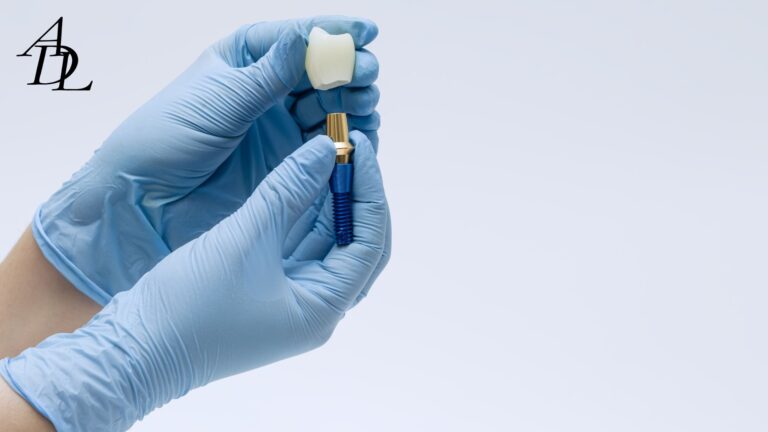
Attachment planning overdenture errors often happen when implants are placed without enough prosthetic space or without considering the final tooth setup. If an attachment housing ends up directly under a denture tooth, the base may need to be over-relieved, the tooth may be weakened, or the prosthesis may become bulky. If implants are too divergent, retention inserts may wear faster and the path of insertion may become difficult.
Attachment selection literature emphasizes that the implant attachment system and prosthesis design should be considered before surgical placement because they strongly affect outcomes, maintenance, and predictability. Factors such as implant parallelism, path of placement, abutment wear, and insert degradation can all influence long-term retention.
That is why a duplicate denture surgical guide is not just convenient. It is a planning tool that can prevent avoidable prosthetic compromises.
Vertical Dimension Overdenture Planning
Why Vertical Dimension Matters So Much
Vertical dimension overdenture planning affects esthetics, speech, occlusion, facial support, attachment space, and patient comfort. If the patient’s current denture is overclosed, converting it directly may preserve a collapsed lower face and reduce restorative space. If it is over-opened, the patient may experience speech problems, muscle strain, or an unnatural appearance.
Before deciding to convert denture to implant overdenture, evaluate:
- Rest position and freeway space
- Facial support
- Phonetics
- Smile line
- Occlusal plane
- Wear facets
- Patient comfort
- TMJ and muscle symptoms
- Available restorative space for attachments
If the vertical dimension is correct, preserving it can save appointments and reduce risk. If it is wrong, the implant overdenture plan should correct it before implant placement and before attachment pickup.
Do Not Let Attachment Space Dictate the Bite Without Diagnosis
Restorative space is essential, but it should not be created randomly. Locator-style attachments commonly require about 8.5 mm of restorative space in many two-implant mandibular overdenture designs, while bar attachments generally require more vertical space. Spear Education describes 8.5 mm as a workable minimum for a two-implant retained overdenture when the attachment components are embedded in acrylic and positioned lingual to the denture teeth.
ITI guidance similarly notes that locator attachments may need roughly 8.5 to 9 mm of prosthetic space, while bar attachments may require about 12 to 14 mm because space is needed for the bar, hygiene access, clips, acrylic, and denture teeth.
This is why vertical dimension overdenture planning and attachment planning overdenture decisions must be connected. If there is not enough room for the attachment system, the team may need to adjust tooth position, base design, implant location, attachment type, or the overall prosthetic plan.
Attachment Planning Overdenture: Studs, Bars, and Maintenance
Stud Attachments
Stud attachments are popular because they are relatively simple, resilient, and patient-friendly. Locator-style systems, ball attachments, and other stud designs can provide retention without a splinted bar. They can be appropriate for many mandibular implant overdenture cases, especially when the implants are reasonably positioned and restorative space is limited.
Stud attachments are often considered when:
- The patient wants removable stability at lower cost
- Implant positions are favorable
- Hygiene simplicity is important
- There is limited room for a bar
- Maintenance should be straightforward
However, stud attachments still require careful planning. Implant divergence, path of insertion, housing position, tissue thickness, and insert wear all matter. Attachment planning overdenture decisions should never be delayed until after the implants are uncovered.
Bar Attachments
Bars can improve splinting, distribute load, and support complex overdenture designs. They may be useful when implants are less ideally positioned, when more support is needed, or when a custom path of insertion is desired. The tradeoff is space. Bar overdentures require more vertical room, more hygiene planning, and often more fabrication complexity.
Bar attachments are often considered when:
- More implants are present
- The arch is severely resorbed
- Additional support or splinting is desired
- Implant positions need to be connected prosthetically
- The patient can maintain hygiene under the bar
Because bars need more space, they should be planned from the denture setup and ridge relationship, not chosen late in the case.
Maintenance Must Be Part of the Plan
Every implant overdenture requires maintenance. Retentive inserts wear. Housings may need replacement. Tissue changes may require relines. Occlusion must be checked. Patients need hygiene instructions and realistic expectations.
This is not a weakness of the treatment. It is part of removable implant prosthetics. The benefit is that the prosthesis is retrievable, serviceable, and often easier for patients to clean than fixed full-arch options.
Existing Denture Scan and Digital Planning Workflow
A Practical Digital Workflow
A digital workflow can use the current denture as the center of the plan. A common sequence is:
- Evaluate the current denture clinically.
- Photograph the patient wearing it.
- Scan the existing denture extraorally.
- Scan or impress the edentulous ridge.
- Capture the bite with the denture seated if vertical dimension is stable.
- Complete CBCT imaging with an appropriate scan appliance when guided planning is needed.
- Merge the prosthetic and anatomic data.
- Plan implant positions based on tooth setup, attachment space, and anatomy.
- Fabricate a surgical guide or duplicate denture surgical guide.
- Convert, duplicate, or fabricate the final implant overdenture.
Dual-scan protocols commonly require one scan with the patient wearing the scan appliance and another scan of the appliance alone; markers must stay fixed between scans so the datasets can be merged. They also warn that the appliance must fit well and that soft liners or movement can create errors.
Analog Records Still Matter
Digital tools are powerful, but they do not eliminate the need for clinical judgment. If the denture fit is poor, a reline or wash impression may be needed before scanning. If the bite is unstable, a new jaw relation record may be required. If the patient wants a different smile, a setup try-in may be more valuable than simply scanning the old denture.
The best workflow is not purely digital or purely analog. It is the workflow that captures the most reliable record for the specific patient.
Chairside Conversion: What Can Go Right and Wrong
The Basic Conversion Idea
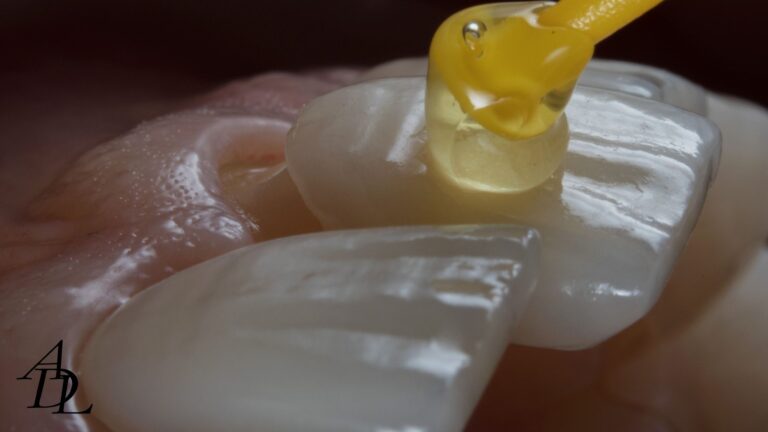
When implants are restored with attachments and the existing denture is strong enough, the clinician may relieve the intaglio over the attachments, block out undercuts, place housings, and pick them up in acrylic or composite resin. This is one common way to convert denture to implant overdenture while preserving the existing prosthesis.
A careful pickup includes:
- Confirming the denture seats fully before pickup
- Relieving enough acrylic around housings
- Blocking out undercuts around abutments
- Avoiding acrylic lock-in
- Verifying the patient closes in the correct bite
- Removing excess material
- Finishing and polishing the pickup area
- Checking occlusion after the conversion
Why Direct Pickup Can Fail
Direct pickup fails when the denture does not seat completely, when the patient closes in the wrong position, when housings are picked up under stress, or when the base is too thin around attachments. It can also fail if the old denture already has poor occlusion or tissue adaptation.
Common errors include:
- Picking up housings in a denture that rocks
- Failing to block out implant undercuts
- Over-relieving the base and weakening the prosthesis
- Not checking vertical dimension after pickup
- Ignoring posterior interferences
- Using a worn denture as though it were a new prosthesis
This is why many teams prefer to use a duplicate or new prosthesis instead of risking the patient’s only denture.
Practical Case Examples
Example 1: The Patient Loves the Denture but Hates the Movement
A patient has a mandibular complete denture with acceptable esthetics, good vertical dimension, and clear phonetics, but the lower denture moves during meals. This is a strong candidate for a two-implant retained solution. The team can scan the existing denture, verify restorative space, plan implants beneath the prosthetic setup, and convert denture to implant overdenture after healing or attachment placement.
The major risk is assuming the denture is good just because the patient tolerates it. The clinician still needs to verify occlusion, tissue fit, base thickness, and attachment space.
Example 2: The Denture Is Overclosed and Worn
A patient wants better retention, but the current denture has severely worn teeth, collapsed vertical dimension, and poor facial support. In this case, the old denture should not be converted directly. It can still serve as a historical record, but vertical dimension overdenture planning should start with a corrected setup or diagnostic denture.
Here, the best plan may be to create a new prosthetic setup first, then use that setup for implant planning and surgical guide design.
Example 3: The Existing Denture Fits Poorly but the Smile Is Good
A patient likes the appearance of the denture but complains of soreness and looseness. The tooth arrangement may be worth preserving, but the intaglio is not. The team may duplicate the cameo and tooth setup, then correct the tissue surface through reline, wash impression, or digital redesign.
This is a classic “copy with improvement” case. The final implant overdenture should preserve the smile but correct the fit.
Example 4: Maxillary Denture Patient Wants Less Palate
A patient with an upper complete denture wants a palateless appliance. Maxillary implant overdenture planning is more demanding than a typical mandibular two-implant case because bone quality, implant number, distribution, and prosthetic design all matter. Implant overdentures can be considered when patients want a removable option, and a palateless maxillary appliance may be possible with adequate implant number and positioning.
The existing denture can help establish tooth position and lip support, but the final attachment design must be planned carefully before surgery.
Common Mistakes in Existing Denture to Implant Overdenture Cases
Mistake 1: Planning Implants Before Planning the Prosthesis
The prosthesis should guide implant placement. If implants are placed without considering tooth position, restorative space, and attachment path, the final implant overdenture may require compromises that could have been avoided.
Mistake 2: Scanning a Loose Denture
If the denture moves during the scan or does not fit the tissue, the digital record can become misleading. Dual-scan guidance specifically warns that poor-fitting dentures or movement during scanning may lead to incorrect surgical template adjustments.
Mistake 3: Ignoring Restorative Space
Attachment housings need room. Acrylic needs room. Denture teeth need room. Hygiene contours need room. If there is not enough space, the prosthesis may become weak, bulky, or prone to fracture.
Mistake 4: Copying a Bad Vertical Dimension
Vertical dimension overdenture errors are difficult to correct after implants and attachments are already committed. If the patient is overclosed, open, or unstable, correct the jaw relation before conversion.
Mistake 5: Skipping the Duplicate
Converting the patient’s only denture can be risky. A duplicate denture surgical guide or conversion duplicate protects the original prosthesis and gives the team a safer planning appliance.
Mistake 6: Treating Maintenance as a Surprise
An implant overdenture is removable and serviceable, but inserts, housings, relines, and occlusal adjustments should be expected over time. Patients should understand this before treatment begins.
Conclusion
The best implant overdenture cases begin with a prosthetic question: what should the final denture look, feel, and function like? If the patient’s current prosthesis already answers that question well, it can become a powerful record. If it does not, it should become a reference, not a blueprint. To convert denture to implant overdenture predictably, the team must evaluate fit, vertical dimension, esthetics, restorative space, attachment planning, and whether the current denture should be scanned, duplicated, corrected, or replaced.
Associated Dental Lab is a dentists’ trusted Full-Service Dental Lab in Los Angeles, crafting smiles since 1962. Associated Dental Lab supports removable, fixed, implant, full-arch, hybrid, digital, and analog workflows, with direct technician communication, CAD/CAM technology, local same-day repair options, digital case submission, and experience across dentures, implant solutions, and complex prosthetic cases. Their site also highlights duplicate denture workflows, existing denture scans, copy denture records, and digital archiving as practical ways to preserve proven esthetics, vertical dimension, and patient comfort. If you want a Dentists trusted Full-Service Dental Lab to support your next implant overdenture or denture conversion case, contact Associated Dental Lab and let their team help you plan, fabricate, and deliver with confidence.
FAQ
Can you convert denture to implant overdenture if the patient likes their current denture?
Yes, you can often convert denture to implant overdenture when the current prosthesis has acceptable esthetics, fit, vertical dimension, and enough acrylic thickness for attachments. The key is to evaluate the denture first. If the denture is unstable, worn, overclosed, or structurally weak, it may be better to duplicate or remake it rather than directly retrofit it.
What makes an existing denture useful for implant overdenture planning?
An existing denture is useful for implant overdenture planning when it records a desirable tooth position, smile line, lip support, occlusion, and vertical dimension overdenture relationship. It should also fit the tissues well enough to serve as a reliable scan appliance or duplication reference.
What is a duplicate denture surgical guide?
A duplicate denture surgical guide is a copied version of the patient’s denture that helps transfer prosthetic information into the surgical plan. A duplicate denture can be used as a radiographic guide, surgical template, custom tray, scan appliance, or conversion prosthesis depending on the workflow.
Why is an existing denture scan important?
An existing denture scan captures the denture’s tooth setup, intaglio surface, flange contours, occlusion, and base design. In digital overdenture treatment planning, that record can be merged with other data to help guide implant placement, attachment planning overdenture decisions, and future prosthesis design.
How should vertical dimension overdenture records be evaluated?
Vertical dimension overdenture records should be checked through facial support, rest position, phonetics, occlusion, freeway space, and patient comfort. If the current denture has a stable vertical dimension, it may be preserved. If it is collapsed or excessive, the case should be corrected before implant placement or conversion.
What does attachment planning overdenture involve?
Attachment planning overdenture decisions include selecting stud or bar attachments, evaluating implant position and parallelism, checking restorative space, choosing housing locations, planning hygiene access, and anticipating maintenance. Attachment selection should happen before surgery because it affects implant position and final prosthesis design.
When should a new denture be made instead of converting the existing one?
A new denture is usually better when the existing prosthesis has poor fit, poor esthetics, unstable bite, insufficient restorative space, severe wear, thin acrylic, or an incorrect vertical dimension. In those cases, the old denture may still help guide the plan, but the final implant overdenture should be built from corrected records rather than copied blindly.