Understanding Full Removable Dental Labs Definition and Scope
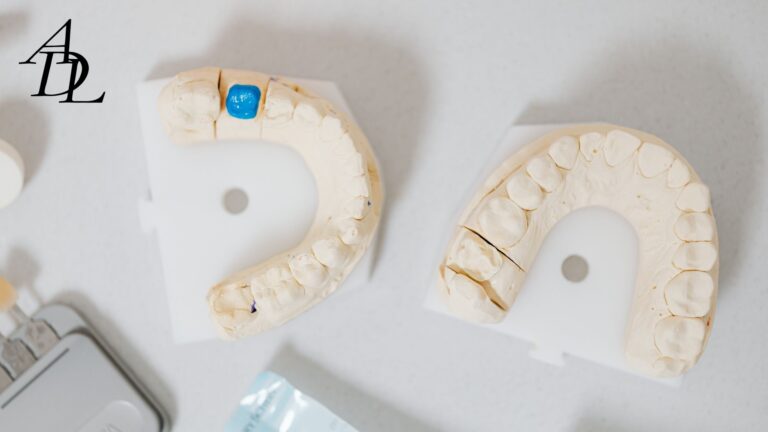
Full removable dental labs specialize in creating dental prostheses that can be taken out of the mouth by the patient. These include complete dentures, partial dentures, and other removable devices.
Types of Removable Prosthetics
- Complete Dentures: These are used when all teeth are missing in either the upper or lower jaw.
- Partial Dentures: These are used when some natural teeth remain, and they can be anchored to these teeth.
- Removable Implant Overdentures: These combine implants with removable dentures for better stability.
Materials and Techniques
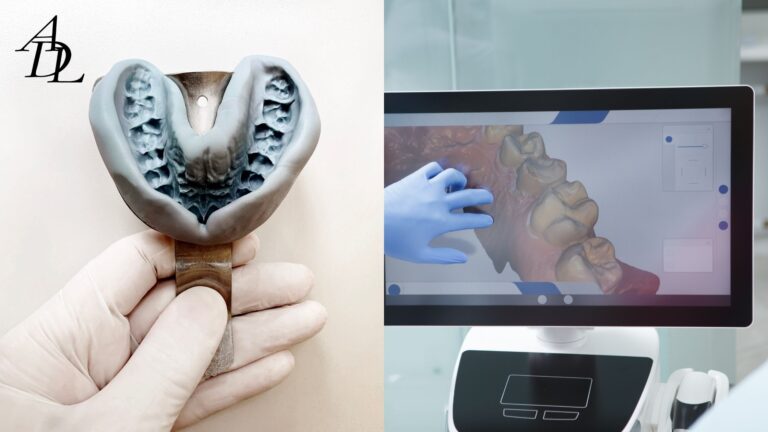
Full removable dental labs use various materials such as acrylic resins, metal frameworks, and flexible polymers to fabricate prosthetics. Advanced techniques like digital scanning and 3D printing are becoming increasingly prevalent, ensuring precise fit and comfort.
Exploring Crown and Bridge Dental Labs
Definition and Scope
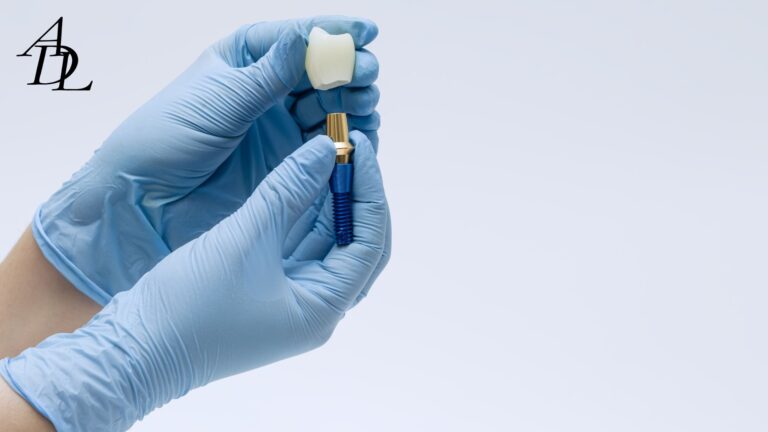
Crown and bridge dental labs focus on creating fixed prosthetic devices such as crowns, bridges, inlays, onlays, and veneers that are cemented onto the patient’s existing teeth or implants.
Types of Fixed Prosthetics
- Crowns: Caps that cover and protect damaged or decayed teeth.
- Bridges: Used to fill gaps created by missing teeth, anchored to neighboring teeth or implants.
- Veneers: Thin shells placed over the front surface of teeth to improve appearance.
- Inlays and Onlays: Custom-made fillings for restoring decayed or damaged teeth.
Materials and Techniques
Crown and bridge labs commonly use ceramics, porcelain fused to metal, and all-resin materials. Modern techniques include CAD/CAM technology for designing and milling precise restorations.
Key Differences Between Full Removable and Crown and Bridge Dental Labs
Functionality and Application
- Full Removable: Designed for patients needing removable solutions, offering flexibility and ease of maintenance.
- Crown and Bridge: Ideal for patients needing permanent solutions, providing stability and a natural look.
Cost Considerations
- Full Removable: Generally less expensive due to simpler materials and fabrication processes.
- Crown and Bridge: Higher cost reflecting the materials used and the complexity of the procedures.
Patient Comfort and Convenience
- Full Removable: Removable prosthetics allow for easy cleaning but may require adjustments over time.
- Crown and Bridge: Fixed prosthetics offer a natural feel and don’t need to be removed, but require excellent oral hygiene.
Aesthetic Outcomes
- Full Removable: Modern dentures can look very natural but may still be noticeable.
- Crown and Bridge: High-quality materials can closely mimic natural teeth, often indistinguishable.
Choosing the Right Lab for Your Practice
Factors to Consider
- Patient Demographics: Younger patients may prefer fixed solutions, while older patients might opt for removable options.
- Practice Specialization: General practices might need a mix of both, while specialized practices might focus on one type.
- Technology Integration: Labs with advanced technology can provide more precise and faster solutions.
Evaluating Lab Capabilities
- Experience and Expertise: Check the lab’s track record and the experience of the technicians.
- Turnaround Time: Ensure the lab can meet your deadlines without compromising quality.
- Customer Support: Good communication is crucial for resolving issues and ensuring smooth processes.
The Future of Dental Prosthetics
Technological Advances
- Digital Dentistry: The integration of CAD/CAM and 3D printing is revolutionizing both removable and fixed prosthetics.
- Material Innovation: New biocompatible materials are enhancing durability and aesthetics.
Patient Expectations
Modern patients are better informed and expect high-quality, aesthetically pleasing solutions. Staying ahead of these trends is essential for any dental practice.
Frequently Asked Questions
What are the main differences between full removable and crown and bridge dental labs?
- Full removable labs specialize in dentures and other removable devices, while crown and bridge labs focus on fixed prosthetics like crowns and bridges.
Which option is more cost-effective?
- Full removable solutions are generally less expensive than fixed prosthetics due to simpler materials and fabrication processes.
How do patient preferences impact the choice between these two lab types?
- Patient preferences vary; some prefer the permanence and aesthetics of fixed solutions, while others value the flexibility of removable options.
What technological advances are impacting these dental labs?
- Advances in digital dentistry, such as CAD/CAM and 3D printing, are improving the precision and efficiency of both types of prosthetics.
Are there specific materials that are better for either type of lab work?
- Full removable prosthetics often use acrylic resins and flexible polymers, while crown and bridge prosthetics use ceramics and metal-ceramic combinations.
How can a dental practice ensure they choose the right lab?
- Evaluate the lab’s experience, technology, turnaround time, and customer support to ensure they meet your practice’s needs.
Conclusion
Choosing between a full removable dental lab and a crown and bridge dental lab depends on various factors including patient needs, practice specialization, and technological capabilities. Both types of labs offer unique benefits and understanding these differences can help you make an informed decision.
For licensed dentists in the Los Angeles area, consider contacting Associated Dental Lab to discuss your specific needs and find a reliable partner for your dental prosthetic solutions.