In modern dentistry, crowns are one of the most versatile and essential treatments within the field of fixed prosthodontics. Whether restoring a damaged tooth, enhancing aesthetics, or completing an implant restoration, crowns play a vital role in both oral health and smile transformation.
Custom-made in a skilled dental lab, crowns are designed to fit perfectly over the prepared tooth or implant abutment, restoring strength, function, and appearance. For dentists and patients alike, understanding the types, processes, and benefits of crowns is key to making informed treatment decisions.
This comprehensive guide will cover everything from the fundamentals of crowns to advanced applications in fixed prosthetics, the collaboration between dentist and dental lab, and real-world examples of how crowns improve patient outcomes.
What Are Dental Crowns?
A dental crown is a custom-made cap placed over a damaged, weakened, or aesthetically compromised tooth—or attached to an implant—to restore its form and function. Crowns are a cornerstone of fixed prosthodontics, as they provide a permanent, non-removable solution that blends seamlessly with natural teeth.
Common Reasons for Crowns
- Protecting a tooth weakened by decay or fracture
- Restoring a broken or worn-down tooth
- Covering a tooth after root canal therapy
- Anchoring a dental bridge
- Serving as the visible restoration for a dental implant
- Improving the shape, size, or color of a tooth for cosmetic purposes
The Role of Crowns in Fixed Prosthodontics
Fixed prosthodontics focuses on restorations that are permanently affixed in the mouth, unlike removable prosthetics. Crowns are a primary component of this discipline, offering long-term durability and precision.
Why Crowns Are Essential in Fixed Prosthodontics
- Longevity: Properly made and maintained crowns can last 10–15 years or longer.
- Functionality: Restores normal biting and chewing forces.
- Aesthetics: High-quality materials allow for lifelike color and translucency.
- Versatility: Can be used on natural teeth and implants.
Types of Crowns
Porcelain-Fused-to-Metal (PFM) Crowns
A metal base provides strength, while a porcelain outer layer offers a natural tooth appearance. PFMs are durable and widely used but can sometimes show a metal margin over time.
All-Ceramic Crowns
Made entirely of ceramic materials like zirconia or lithium disilicate, these crowns offer superior aesthetics, making them ideal for visible front teeth.
Full-Metal Crowns
Constructed from gold or other metal alloys, these crowns are incredibly strong and ideal for molars where aesthetics are less critical.
Zirconia Crowns
Highly durable and biocompatible, zirconia crowns are a popular choice in fixed prosthetics due to their strength and natural look.
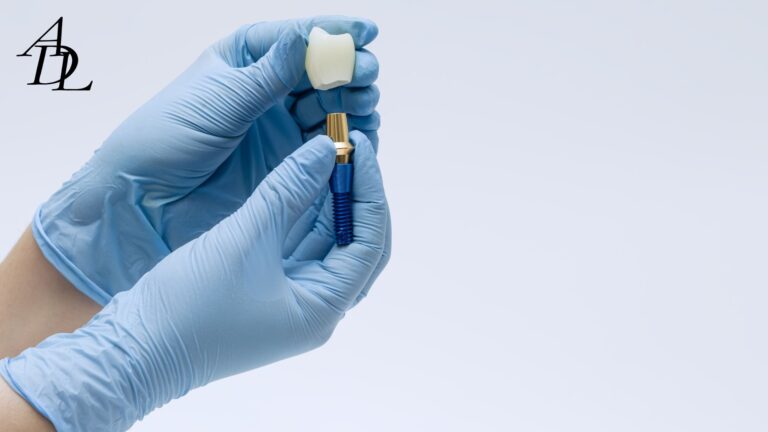
Implant-Supported Crowns
Designed to be attached to an implant abutment, these crowns replace missing teeth without impacting neighboring teeth.
The Crown Fabrication Process in a Dental Lab
Step 1: Tooth Preparation
The dentist reshapes the tooth to accommodate the crown, removing any decay and creating a stable base.
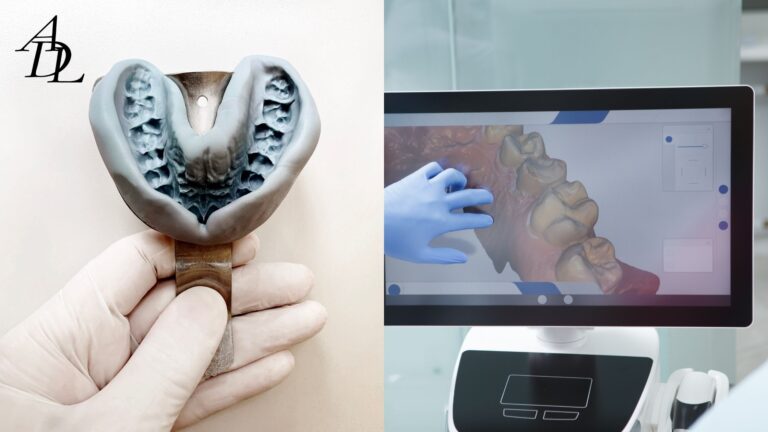
Step 2: Impression or Digital Scan
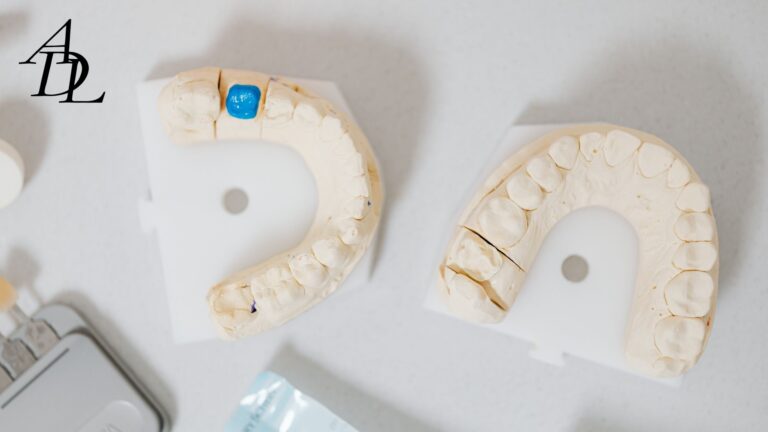
Accurate impressions or intraoral scans are taken and sent to the dental lab. Digital scans speed up the process and reduce potential errors.
Step 3: Shade Selection
The dentist and patient choose a shade that matches the surrounding teeth for a natural look.
Step 4: Lab Design and Fabrication
In the dental lab, technicians use CAD/CAM software to design the crown. Materials are selected based on function, aesthetics, and patient needs. The crown is then milled, layered, and finished to perfection.
Step 5: Fitting and Cementation
The dentist checks the crown’s fit, makes any necessary adjustments, and permanently cements it in place.
Benefits of Crowns
Functional Advantages
- Restores chewing ability
- Protects weak teeth from further damage
- Maintains bite alignment
Aesthetic Advantages
- Matches the color, shape, and size of natural teeth
- Corrects cosmetic imperfections
- Blends seamlessly with the patient’s smile
Long-Term Durability
Crowns from a high-quality dental lab are built to withstand daily use for years, especially when paired with proper oral hygiene.
Crowns and Implants
When a tooth is missing entirely, an implant-supported crown offers a superior solution over traditional bridges or partial dentures. In this case, the crown is secured to an implant abutment, providing stability and preventing bone loss in the jaw.
Benefits of Implant-Supported Crowns:
- No need to alter adjacent healthy teeth
- Long-lasting, stable replacement
- Maintains jawbone density through functional stimulation
Collaborating with a Dental Lab for Crowns
Why the Right Lab Matters
The success of a crown depends heavily on the expertise and technology of the dental lab. Skilled technicians ensure proper occlusion, shade match, and anatomical contour.
Communication is Key
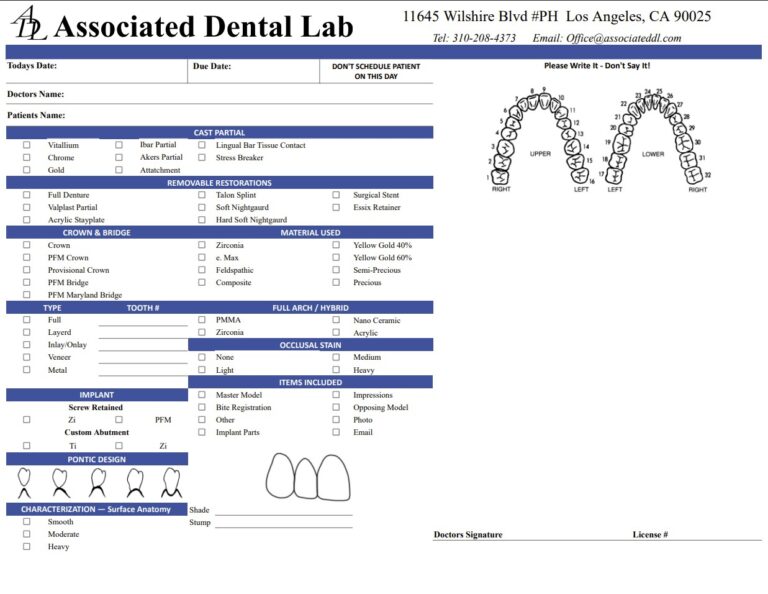
Dentists should provide the lab with detailed case notes, shade photos, bite registrations, and patient preferences to ensure an accurate final product.
Technology in Modern Labs
Advanced labs use CAD/CAM systems, 3D printing, and digital shade matching to enhance precision and consistency in fixed prosthetics.
Real-World Examples of Crown Success
Case 1: Strengthening a Root Canal Tooth
A patient with a molar that had undergone root canal therapy received a zirconia crown. The restoration reinforced the tooth, allowing the patient to chew comfortably again.
Case 2: Cosmetic Transformation
A patient unhappy with a discolored front tooth was fitted with an all-ceramic crown. The result was a perfectly matched, natural-looking smile.
Case 3: Implant Restoration
A missing premolar was restored with an implant-supported crown. The restoration felt and functioned like a natural tooth, improving both chewing and appearance.
Caring for Crowns
Daily Maintenance
- Brush twice daily with a soft-bristled toothbrush
- Floss around the crown to prevent plaque buildup
- Avoid biting hard objects like ice or pen caps
Regular Checkups
Routine dental visits allow for early detection of wear, damage, or issues with the underlying tooth or implant.
The Future of Crowns in Dentistry
Advancements in materials and dental lab technology are making crowns even more lifelike, durable, and efficient to produce. Innovations in fixed prosthodontics include:
- Same-day crowns with in-office milling units
- AI-driven crown design for improved fit
- Stronger, more aesthetic ceramic materials
Conclusion
Crowns remain one of the most important restorations in fixed prosthodontics, restoring both form and function to damaged or missing teeth. Whether placed on a natural tooth or supported by an implant, a well-crafted crown from an experienced dental lab can transform a patient’s smile and quality of life.
Partnering with a trusted full-service dental lab ensures every crown meets the highest standards of precision, aesthetics, and durability.
About Associated Dental Lab
At Associated Dental Lab, we specialize in creating custom crowns for both natural teeth and implants. Our team uses advanced technology and premium materials to deliver exceptional fixed prosthetics. As a dentist’s trusted full-service dental lab, we are committed to helping you provide the best possible care for your patients. Contact us today to experience the difference in craftsmanship and service.
Frequently Asked Questions (FAQ)
1. How long do crowns last?
With proper care, crowns can last 10–15 years or more. The lifespan depends on the material, oral hygiene, and habits like teeth grinding.
2. What is the best material for crowns?
It depends on the tooth location and patient needs. Zirconia and all-ceramic crowns are ideal for aesthetics, while metal and PFM crowns offer strength for molars.
3. Are crowns part of fixed prosthodontics?
Yes, crowns are a key component of fixed prosthodontics, offering a permanent restoration that cannot be removed by the patient.
4. Can crowns be placed on implants?
Absolutely. Implant-supported crowns are a reliable and long-lasting solution for replacing missing teeth.
5. How do I care for my crown?
Brush, floss, and visit your dentist regularly. Avoid chewing on hard objects to prevent damage.
6. Do crowns look natural?
Yes, when made by an experienced dental lab, crowns are designed to match the color, shape, and translucency of natural teeth.
7. Why choose Associated Dental Lab for crowns?
We combine advanced dental lab technology with expert craftsmanship to deliver crowns that fit perfectly, function reliably, and look beautiful.