In dentistry, the relationship between your dental practice and your dental laboratory is one of the most important factors influencing treatment success and patient satisfaction. Whether you’re delivering removable restorations like partial dentures or fixed restorations such as crowns and bridges, your results are only as good as the craftsmanship and communication between your team and the dental lab.
A great dental laboratory is more than just a supplier—it’s a trusted partner in your practice’s growth and reputation. From delivering precise fixed prosthetics to offering reliable turnaround times, the right dental lab can transform your workflow, reduce remakes, and keep your patients smiling.
Why the Dental Lab–Dental Practice Relationship Matters
The dental laboratory serves as the manufacturing arm of your dental practice, producing restorations, appliances, and prosthetics based on your clinical prescriptions. The quality of their work directly reflects on your practice’s results.
A strong collaboration means:
- Consistent fit and function in every restoration
- Reduced chairside adjustments, saving you time
- Fewer remakes and patient complaints
- Higher case acceptance rates due to improved aesthetics and performance
The Role of a Dental Laboratory in Dentistry
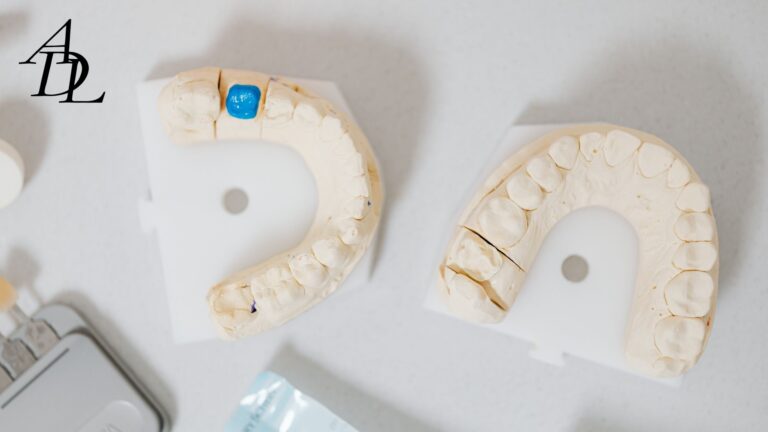
A dental lab is responsible for fabricating a wide range of dental products using materials like ceramics, metals, and resins. The scope includes both fixed restorations (crowns, bridges, implants) and removable restorations (full dentures, partial dentures, nightguards).
Services a Quality Dental Lab Provides
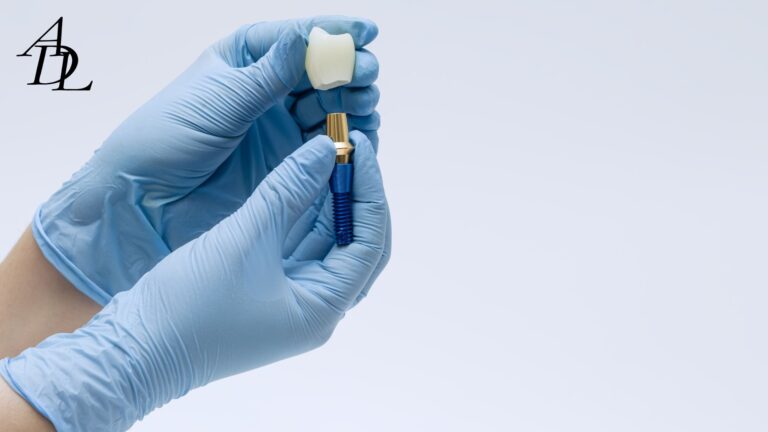
- Fixed Restorations: Crowns, bridges, veneers, implant-supported restorations.
- Removable Restorations: Flexible partial dentures, acrylic partial dentures, complete dentures.
- Orthodontic Appliances: Retainers, space maintainers, aligner models.
- Surgical Guides: For precision in implant placement.
The Importance of Technical Expertise
An experienced dental laboratory technician understands not just the manufacturing process but also the functional and aesthetic needs of each restoration. This ensures that the prosthetic works harmoniously within the patient’s bite and complements their smile.
Benefits of Partnering with a Great Dental Lab
1. Higher Quality Restorations
A well-equipped dental lab with skilled technicians produces restorations that meet precise specifications. This results in:
- Perfect occlusion and fit
- Natural aesthetics with proper shade matching
- Long-lasting durability through high-grade materials
2. Faster Turnaround Times
A strong partnership ensures that your dental practice receives restorations on schedule, minimizing delays for patients. Labs using advanced CAD/CAM technology can produce same-day or next-day solutions for urgent cases.
3. Consistency in Results
Patients expect predictable outcomes, and a dependable dental laboratory delivers the same high standard every time. This reliability builds trust between you, your patients, and your lab partner.
4. Improved Patient Satisfaction
High-quality fixed restorations and removable restorations enhance function, comfort, and aesthetics, leading to positive reviews and referrals for your dental practice.
5. Expert Support and Consultation
Top labs provide case planning assistance, material recommendations, and even chairside support for complex procedures.
The Impact of a Dental Lab on Removable Restorations
Crafting Comfortable, Functional Appliances
When it comes to removable restorations, precision is critical for patient comfort and function. Poorly fitting dentures or partials can cause sore spots, difficulty chewing, and dissatisfaction.
A skilled dental laboratory ensures:
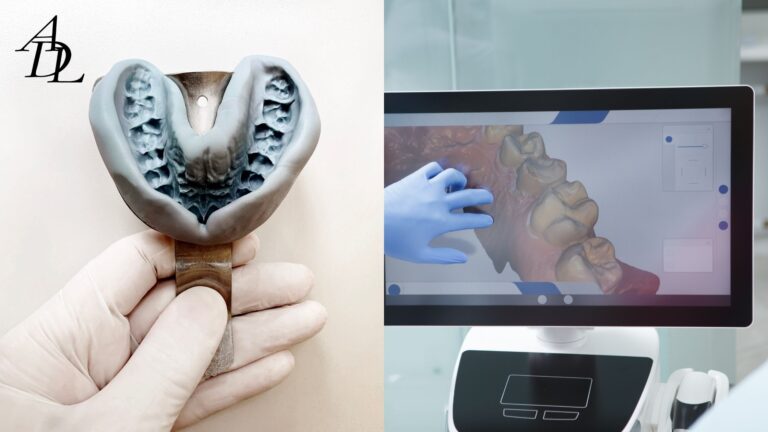
- Accurate impression processing for perfect fit
- Natural gum-colored acrylic for aesthetics
- Lightweight yet durable materials for all-day comfort
Types of Removable Restorations a Dental Lab Produces
- Full Dentures: Replacing an entire arch of teeth
- Flexible Partial Dentures: Offering comfort and discreet aesthetics
- Acrylic Partial Dentures: Cost-effective and repairable
- Nightguards: Protecting against bruxism and TMJ issues
The Impact of a Dental Lab on Fixed Restorations
Achieving Precision in Fixed Prosthodontics
For fixed restorations, a great dental lab uses cutting-edge technology and expert craftsmanship to ensure the prosthetic functions and looks just like a natural tooth.
Benefits include:
- Perfect bite alignment to prevent jaw discomfort
- Strong, high-quality materials for long-term durability
- Seamless integration with natural teeth for a flawless smile
Common Fixed Restorations Provided by a Dental Lab
- Crowns: To restore damaged teeth or cover implants
- Bridges: To replace one or more missing teeth
- Veneers: To enhance the appearance of front teeth
- Implant-Supported Restorations: For permanent, stable replacements
Communication: The Key to Dental Lab Success
Essential Communication Practices
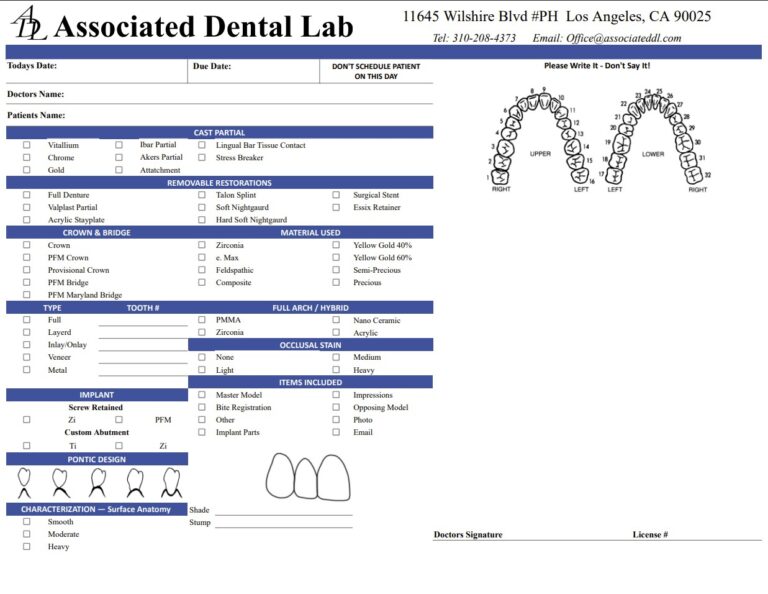
- Detailed Case Submissions: Include impressions or scans, bite registrations, shade photos, and clear instructions.
- Feedback Loops: Provide notes after delivery to improve future outcomes.
- Regular Check-Ins: Schedule periodic meetings to discuss challenges and successes.
The Role of Digital Dentistry
Digital impressions, CAD/CAM design, and online portals streamline communication, reduce errors, and speed up the manufacturing process. A digitally integrated dental practice and dental laboratory partnership results in fewer remakes and happier patients.
How to Choose the Right Dental Laboratory for Your Practice
Factors to Consider
- Experience and Reputation: Look for proven expertise in both fixed prosthetics and removable restorations.
- Technology and Equipment: Ensure they use up-to-date CAD/CAM systems, 3D printing, and digital scanning.
- Material Options: A variety of high-quality materials ensures the right fit for each case.
- Turnaround Times: Consistent delivery schedules keep your patients on track.
- Customer Support: Responsive and knowledgeable staff who are willing to collaborate.
Real-World Examples
Example 1: Reducing Remakes
A busy dental office reduced its crown remake rate by 40% after switching to a lab with better shade-matching protocols and digital workflow integration.
Example 2: Improving Denture Comfort
A patient who had worn ill-fitting dentures for years experienced a dramatic improvement in comfort and chewing ability after their dental practice partnered with a lab specializing in precision removable restorations.
Example 3: Boosting Case Acceptance Rates
A clinic offering high-quality implant-supported crowns from a trusted lab saw a significant increase in patient acceptance for full-mouth rehabilitation treatments.
The Future of Dental Lab Partnerships
The future of dentistry lies in even tighter integration between dental practices and dental laboratories, especially as digital workflows become the norm. Advances in materials, AI-driven design, and same-day manufacturing will continue to raise patient expectations—and a great lab will help you meet them.
Conclusion
Your dental practice’s reputation depends on the quality of the work you deliver, and much of that depends on your dental laboratory. Whether you need removable restorations that fit perfectly or fixed restorations crafted with precision, the right dental lab can elevate your standard of care, improve patient satisfaction, and contribute to your long-term success.
About Associated Dental Lab
At Associated Dental Lab, we partner with dentists to provide world-class fixed prosthetics and removable restorations. Our team uses advanced technology, premium materials, and decades of experience to deliver results you and your patients can trust. As a dentist’s trusted full-service dental lab, we pride ourselves on precision, communication, and consistent quality. Contact us today to experience the difference.
Frequently Asked Questions (FAQ)
1. Why is a good dental lab important for my dental practice?
A quality dental laboratory ensures your restorations fit, function, and look perfect, reducing remakes and improving patient satisfaction.
2. What types of restorations does a dental lab make?
A dental lab produces both fixed restorations like crowns, bridges, and veneers, and removable restorations like dentures and partials.
3. How can a dental lab improve my workflow?
By providing accurate, high-quality restorations on time, a dental lab minimizes chairside adjustments and keeps patient appointments on schedule.
4. Are digital dental labs better?
Digital workflows improve accuracy, speed, and communication between the dental practice and the dental laboratory, leading to better results.
5. What’s the difference between fixed and removable restorations?
Fixed restorations are permanently cemented in place, while removable restorations can be taken out by the patient for cleaning.
6. How do I choose the right dental lab?
Look for experience, technology, consistent quality, reliable turnaround times, and excellent communication.
7. Why choose Associated Dental Lab?
We combine state-of-the-art technology with skilled craftsmanship to deliver superior fixed prosthetics and removable restorations tailored to your patients’ needs.