In modern dentistry, patient demand for comfortable, natural-looking, and functional tooth replacement options continues to grow. For many, the flexible partial denture offers the perfect balance of aesthetics, adaptability, and affordability. Unlike traditional rigid partial dentures, flexible versions made from advanced materials like TCS, Duraflex, and Valplast provide improved comfort and a seamless appearance.
A skilled dental lab plays a crucial role in crafting these removables to ensure proper fit, function, and longevity. Whether you are a patient considering your first partial or a dental professional exploring material options, understanding the benefits, limitations, and design considerations of flexible partial dentures can help you make an informed decision.
What is a Flexible Partial Denture?
A flexible partial denture is a removable dental appliance designed to replace one or more missing teeth. Instead of rigid acrylic or metal frameworks, it uses flexible nylon-based thermoplastic materials that adapt to the natural contours of the gums and teeth.
This design results in:
- Lightweight comfort for all-day wear
- Discreet gum-colored clasps that blend with the mouth
- Reduced risk of breakage compared to rigid acrylic dentures
The Role of a Dental Lab in Creating Flexible Partials
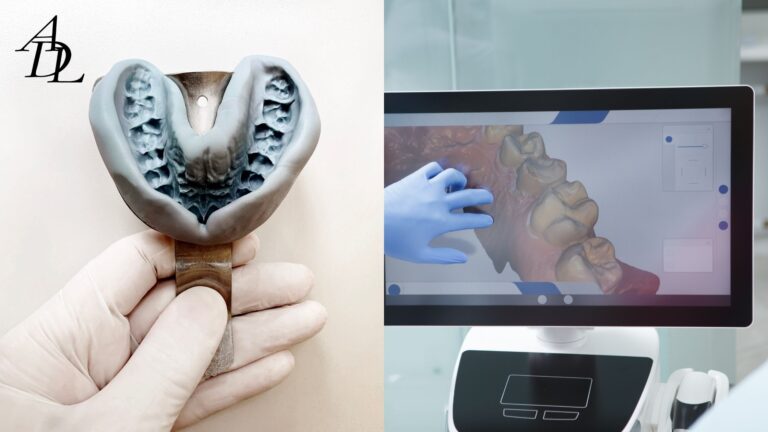
An experienced dental lab is essential in producing high-quality removables. Technicians use impressions or digital scans to design and fabricate the denture, ensuring optimal fit, bite alignment, and aesthetic appearance.
Key steps in lab fabrication include:
- Receiving and analyzing impressions or scans
- Designing the framework for stability and comfort
- Processing the denture using TCS, Duraflex, or Valplast materials
- Finishing and polishing for smooth surfaces and lifelike color
- Performing a final quality check before delivery
Materials Used in Flexible Partial Dentures
TCS (Thermoplastic Comfort System)
TCS is a popular choice for flexible dentures due to its hypoallergenic properties, lightweight feel, and high flexibility.
- Resistant to stains and odors
- Can be adjusted and repaired by the dental lab
- Provides a natural-looking gum base
Duraflex
Duraflex is a semi-translucent nylon-based material known for durability and patient comfort.
- More rigid than some flexible options, offering extra stability
- Resistant to fracture and wear
- Minimal water absorption to maintain fit over time
Valplast
Valplast pioneered the flexible denture market and remains a trusted option in dentistry.
- Lightweight and comfortable with excellent aesthetics
- Metal-free design for patients with allergies or sensitivities
- Flexible fit that adapts to oral changes over time
Advantages of Flexible Partial Dentures
Comfort and Fit
The thermoplastic materials used in TCS, Duraflex, and Valplast allow the appliance to conform closely to the patient’s gum line, reducing irritation and pressure points.
Aesthetics
Flexible partials feature gum-colored bases and clasps that blend seamlessly with natural oral tissues, making them less noticeable than metal clasp designs.
Durability
Unlike traditional acrylic, flexible materials resist fractures from accidental drops.
Hypoallergenic Options
Many flexible materials are free from monomers, making them ideal for patients with allergies to acrylics or metals.
Adaptability
Flexible partials can accommodate changes in the mouth, such as additional tooth loss, with modifications from the dental lab.
Potential Limitations of Flexible Partials
- Adjustments Can Be Tricky: While repairs are possible, adjustments require specialized lab techniques.
- Not Ideal for Heavy Occlusion: Patients with strong bite forces may need additional reinforcement or consider other prosthetic types.
- Retention Limitations: They rely on tissue and tooth support, so they may not be suitable for cases with minimal remaining dentition.
The Process of Getting a Flexible Partial Denture
Step 1: Consultation
The dentist examines oral health, remaining teeth, and bite function to determine if a flexible partial is suitable.
Step 2: Impressions or Digital Scans
Precise impressions or 3D scans are sent to the dental lab for fabrication.
Step 3: Material Selection
The dentist and patient choose between TCS, Duraflex, and Valplast based on needs and preferences.
Step 4: Fabrication
The dental lab processes, polishes, and finishes the denture for optimal fit and aesthetics.
Step 5: Fitting and Adjustment
The patient tries the denture, and the dentist makes minor adjustments to ensure comfort.
Flexible Partials vs. Traditional Acrylic Partials
| Feature | Flexible Partial Denture | Acrylic Partial Denture |
|---|---|---|
| Comfort | High due to flexibility | Moderate, more rigid |
| Durability | Resistant to fracture | Prone to breakage if dropped |
| Aesthetics | Gum-colored, no metal | May have visible metal clasps |
| Weight | Lightweight | Heavier |
| Adjustability | Requires lab adjustments | Easier to adjust chairside |
Real-World Examples
Example 1: Allergic Patient Solution
A patient allergic to metal clasps opted for a Valplast partial. The dental lab crafted a fully metal-free appliance, resolving allergy issues while restoring a natural smile.
Example 2: Comfort Upgrade
A patient unhappy with a bulky acrylic partial transitioned to TCS. The lightweight and flexible design improved speech, chewing, and overall comfort.
Example 3: Active Lifestyle Adaptation
An active senior chose Duraflex for durability during travel and outdoor activities. The denture remained stable and intact despite frequent use.
Maintenance Tips for Flexible Partial Dentures
- Rinse after meals to remove debris
- Brush gently with a soft brush—avoid abrasive toothpaste
- Soak in a non-abrasive denture cleaner recommended by the dentist
- Avoid boiling water or high heat to prevent warping
- Store in water when not in use to maintain shape
The Role of Removables in Modern Dentistry
Flexible partial dentures are part of the broader category of removables, which also includes complete dentures and nightguards. They play a vital role in preserving oral function, preventing tooth shifting, and maintaining facial structure.
Conclusion
A flexible partial denture crafted from TCS, Duraflex, or Valplast offers patients in dentistry a comfortable, aesthetic, and durable solution for replacing missing teeth. When fabricated by a skilled dental lab, these removables provide long-term satisfaction, blending seamlessly with natural dentition.
For dental professionals, working with an experienced dental lab ensures precise fit, high-quality materials, and patient-specific customization. For patients, it means a restoration that feels natural, looks beautiful, and functions reliably.
About Associated Dental Lab
At Associated Dental Lab, we specialize in high-quality removables, including flexible partial dentures made from TCS, Duraflex, and Valplast. Our expert technicians combine artistry with precision to deliver appliances that enhance comfort and aesthetics. As a dentist’s trusted full-service dental lab, we are committed to helping you provide the best in patient care. Contact us today to experience our craftsmanship and service.
Frequently Asked Questions (FAQ)
1. What is a flexible partial denture?
A flexible partial denture is a removable dental appliance made from nylon-based materials like TCS, Duraflex, or Valplast, designed to replace missing teeth comfortably and discreetly.
2. How does a flexible partial differ from an acrylic partial?
Flexible partials are more comfortable, fracture-resistant, and aesthetic, while acrylic partials are more rigid and easier to adjust chairside.
3. How long do flexible partial dentures last?
With proper care, a flexible partial can last 5–8 years, depending on oral health and maintenance habits.
4. Can flexible partial dentures be repaired?
Yes, but repairs require specialized equipment and expertise at a dental lab experienced with removables.
5. Which is better: TCS, Duraflex, or Valplast?
Each has unique strengths—TCS for hypoallergenic comfort, Duraflex for durability, and Valplast for aesthetics and flexibility. The choice depends on patient needs.
6. Are flexible partial dentures suitable for everyone?
They are ideal for many patients but may not be the best choice for those with heavy bite forces or minimal remaining teeth for support.
7. Why choose Associated Dental Lab for flexible partials?
We use advanced techniques and premium materials like TCS, Duraflex, and Valplast to create comfortable, aesthetic, and durable flexible partial dentures tailored to each patient.