In modern implant dentistry, the All-on-X concept has revolutionized how edentulous and partially edentulous patients restore their smiles. This technique, which includes the widely known All-on-4 approach, uses strategically placed dental implants to support a full arch of teeth with a fixed restoration.
Two of the most popular materials for these full arch implant restorations are zirconia and titanium hybrid designs. Both offer distinct advantages in aesthetics, strength, and long-term function. When crafted by an experienced dental lab, these advanced fixed prosthetics deliver life-changing results—combining natural appearance, chewing efficiency, and stability that removable dentures cannot match.
This article will explore the materials, design principles, benefits, and considerations of zirconia and titanium hybrid All-on-X dentures, helping dental professionals and patients understand why these options are leading the way in modern implant solutions.
Understanding the All-on-X Concept
What Is All-on-X?
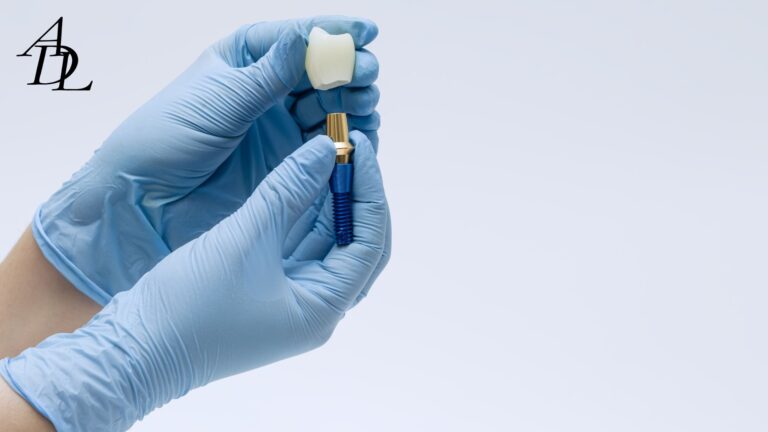
All-on-X refers to a full arch restoration supported by a specific number (X) of implants—often 4, 5, or 6 per arch. The most common variant, All-on-4, involves placing four strategically angled implants to maximize bone support and avoid anatomical structures.
Benefits of All-on-X
- Fewer implants required than traditional full-mouth implant cases
- Shorter treatment times, often with immediate provisionalization
- Strong, stable, and permanent solution compared to removable dentures
- Preserves bone and facial structure
The Role of the Dental Lab in All-on-X Cases
The dental lab plays a critical role in designing and fabricating the fixed prosthetic that attaches to the implants. From digital planning to final delivery, lab expertise ensures a precise fit, aesthetic excellence, and long-term durability.
Zirconia All-on-X Restorations
What Is Zirconia?
Zirconia is a high-strength ceramic material known for its exceptional durability, biocompatibility, and lifelike translucency. In full arch cases, zirconia is milled from a solid block using CAD/CAM technology to create a monolithic restoration or a layered zirconia design.
Advantages of Zirconia All-on-X
- Exceptional Strength: Resistant to chipping, cracking, and wear.
- Aesthetics: Mimics the color and translucency of natural teeth.
- Biocompatibility: Hypoallergenic and safe for long-term oral use.
- Low Maintenance: Less prone to staining and plaque accumulation.
- Precision Fit: Milled to exact specifications by the dental lab.
Types of Zirconia Restorations for All-on-X
- Monolithic Zirconia: Solid zirconia design for maximum strength.
- Layered Zirconia: Zirconia core with layered ceramic for enhanced aesthetics in anterior regions.
Clinical Example
A patient with a failing dentition received an All-on-4 restoration using monolithic zirconia. The restoration provided unmatched chewing ability, stability, and a natural smile, with virtually no maintenance issues over three years.
Titanium Hybrid Restorations
What Is a Titanium Hybrid?
A titanium hybrid restoration combines a milled titanium substructure with acrylic or composite denture teeth and gingiva. The titanium framework ensures strength and stability, while the outer materials allow for aesthetic customization and easier repairs.
Advantages of Titanium Hybrids
- Strength and Durability: Titanium resists bending and fracture.
- Lightweight: More comfortable for patients due to reduced weight.
- Repairable: Acrylic or composite teeth can be replaced or repaired without remaking the entire prosthetic.
- Shock Absorption: Slightly more forgiving than zirconia in cases of heavy bite force.
- Proven Longevity: Widely used in implant solutions for decades.
Types of Titanium Hybrids for All-on-X
- Acrylic/Titanium Hybrid: Common for initial or long-term restorations; more affordable than zirconia.
- Composite/Titanium Hybrid: Higher wear resistance than acrylic.
Clinical Example
A patient with significant bone resorption underwent All-on-6 treatment with a titanium hybrid. The lightweight yet strong framework provided comfort, and the acrylic teeth allowed easy mid-treatment adjustments for occlusion.
Zirconia vs. Titanium Hybrid: Which Is Better for All-on-X?
| Feature | Zirconia | Titanium Hybrid |
|---|---|---|
| Strength | Extremely high | High with supportive framework |
| Aesthetics | Superior, natural translucency | Very good, customizable |
| Weight | Heavier | Lightweight |
| Repairability | Difficult to repair | Easier to repair |
| Shock Absorption | Less forgiving | More forgiving |
| Longevity | 15+ years | 10–15 years |
The choice often depends on patient-specific needs, bite forces, aesthetic demands, and budget. A skilled dental lab and clinician collaboration is essential for selecting the ideal fixed prosthetic.
The Fabrication Process in the Dental Lab
Step 1: Digital Planning
- Implant positions and angulations are planned using CBCT scans.
- Digital impressions and jaw relation records are imported into CAD software.
Step 2: Framework Design
- For zirconia, the entire prosthetic is digitally designed for milling.
- For titanium hybrids, a custom titanium substructure is designed to fit precisely over the implants.
Step 3: Milling and Processing
- Zirconia is milled from solid blanks, sintered, and finished.
- Titanium frameworks are milled, and acrylic or composite components are added.
Step 4: Finishing and Polishing
- Custom staining and glazing for zirconia.
- Gingival tinting and tooth shaping for hybrids.
Step 5: Delivery and Adjustment
The prosthetic is fitted, occlusion is checked, and final adjustments are made for patient comfort and function.
Benefits of Choosing All-on-X with Zirconia or Titanium Hybrids
- Improved Quality of Life: Restores full chewing function and speech.
- Bone Preservation: Prevents resorption by stimulating the jawbone.
- Permanent Solution: Unlike removables, these fixed prosthetics are designed to last years.
- Confidence Boost: Natural aesthetics and stability improve self-esteem.
Common Challenges and Solutions
Fracture Risk in Zirconia
Solution: Proper occlusal design, patient bite evaluation, and lab expertise reduce fracture risk.
Wear of Acrylic Teeth in Hybrids
Solution: Regular maintenance and replacement of worn teeth prolong prosthetic life.
Hygiene Maintenance
Solution: Patient education on daily cleaning and regular professional maintenance is crucial.
Real-World Success Stories
Case 1: Zirconia All-on-4 in a High-Bite-Force Patient
The dental lab created a layered zirconia prosthetic with reinforced design to handle the patient’s strong occlusion, resulting in 5 years of success without complications.
Case 2: Titanium Hybrid for a Full Arch Implant Solution
The hybrid’s lighter weight was ideal for a patient with reduced bone density, allowing for a comfortable, stable, and aesthetic outcome.
Conclusion
Zirconia and titanium hybrid All-on-X restorations—whether in an All-on-4 or other full arch implant configuration—are among the most reliable, aesthetic, and functional solutions in modern implant dentistry. When fabricated by an experienced dental lab, these fixed prosthetics deliver long-term durability, patient comfort, and life-changing results.
About Associated Dental Lab
At Associated Dental Lab, we specialize in high-quality zirconia and titanium hybrid All-on-X restorations. Our team uses cutting-edge CAD/CAM technology, premium materials, and precise craftsmanship to deliver world-class full arch implant solutions. As a dentist’s trusted full-service dental lab, we are committed to helping practices provide patients with exceptional results. Contact us today to learn how we can support your next case.
Frequently Asked Questions (FAQ)
1. What is an All-on-X restoration?
An All-on-X is a full arch implant solution supported by a set number of implants (usually 4–6), designed to hold a permanent fixed prosthetic.
2. How long do zirconia All-on-X restorations last?
With proper care, zirconia restorations can last 15 years or more due to their exceptional strength and wear resistance.
3. Why choose a titanium hybrid over zirconia?
A titanium hybrid is lighter, more repairable, and slightly more forgiving for patients with heavy bite forces or parafunctional habits.
4. Is All-on-4 different from All-on-X?
All-on-4 is a specific type of All-on-X using four implants per arch, while All-on-X can use more implants depending on patient needs.
5. Can zirconia and titanium hybrids be used for both upper and lower arches?
Yes, both materials can be used for upper or lower full arch implant solutions, depending on the patient’s bone structure and preferences.
6. How do I clean my All-on-X restoration?
Daily brushing with a soft-bristled brush, water flossers, and regular dental checkups are essential for maintaining hygiene.
7. Why choose Associated Dental Lab for All-on-X cases?
We combine expertise in zirconia and titanium hybrid fabrication with advanced technology to deliver durable, precise, and aesthetic restorations for every implant solution.