Dental prosthetics have transformed the way dentists restore function, aesthetics, and oral health. Whether you need to replace a single damaged tooth, multiple missing teeth, or an entire arch, advancements in materials and technology have made today’s solutions more durable, lifelike, and comfortable than ever before.
From fixed restorations like a crown or bridge to removable restorations such as partials and dentures, each prosthetic type serves a unique purpose. Implants have further expanded treatment possibilities, offering long-lasting and stable replacements for natural teeth.
This guide covers all major types of dental prosthetics, how they are made, when they are used, and how a skilled dental lab works with dentists to ensure the best possible patient outcomes.
Understanding Dental Prosthetics
Dental prosthetics are custom-made devices designed to replace missing or damaged teeth and restore oral function. They can be divided into two main categories: fixed restorations and removable restorations.
Fixed Restorations
These are permanent solutions cemented or otherwise affixed in the mouth. Patients cannot remove them, and they are designed for long-term function.
Removable Restorations
These can be taken out by the patient for cleaning and maintenance. While often more affordable, they may require adjustments over time.
Fixed Restorations
Crowns
A crown is a cap that covers a damaged tooth or dental implant. It restores shape, strength, and appearance.
When Dentists Recommend Crowns:
- To protect a weakened tooth from fracture
- After root canal treatment
- To restore a broken or worn-down tooth
- As part of an implant restoration
Materials for Crowns:
- Porcelain-fused-to-metal (PFM)
- All-ceramic (zirconia, lithium disilicate)
- Full metal (gold or alloys)
Example:
A patient with a cracked molar received a zirconia crown, restoring chewing ability and preventing further damage.
Bridges
A bridge replaces one or more missing teeth by anchoring to adjacent teeth or implants.
Types of Bridges:
- Traditional bridge – Supported by crowns on either side
- Cantilever bridge – Anchored on only one side
- Implant-supported bridge – Supported by implants instead of natural teeth
Benefits of Bridges:
- Restores chewing and speech
- Prevents teeth from shifting into gaps
- Provides a natural look when crafted by a skilled dental lab
Example:
A patient missing two teeth between healthy molars received a traditional bridge that blended seamlessly with their natural smile.
Implant-Supported Fixed Restorations
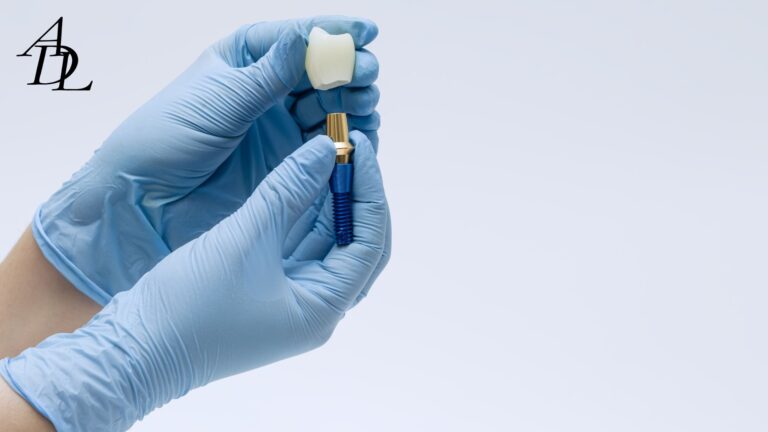
Implants serve as artificial tooth roots, supporting a variety of prosthetics, from single crowns to full arch solutions.
Advantages:
- Long-lasting stability
- Preserves bone by stimulating the jaw
- Feels and functions like natural teeth
Example:
A patient missing all lower teeth opted for an All-on-4 implant-supported bridge, achieving immediate stability and improved confidence.
Removable Restorations
Partials
Partials replace one or more missing teeth but not an entire arch. They are designed to fit around the remaining natural teeth and are usually made with acrylic, metal frameworks, or flexible nylon-based materials.
Types of Partials:
- Acrylic partials – Affordable and repairable
- Metal framework partials – Durable and stable
- Flexible partials – Comfortable and discreet
Example:
A patient missing several teeth on one side of the mouth chose a flexible partial for comfort and improved aesthetics.
Dentures
Dentures replace a full arch of missing teeth and are custom-designed for the patient’s mouth.
Types of Dentures:
- Complete Dentures – Replace all teeth in one arch
- Immediate Dentures – Placed immediately after extractions
- Overdentures – Fit over remaining teeth or implants
Advantages:
- Affordable full arch replacement
- Restores ability to chew and speak
- Supports facial muscles for a natural appearance
Example:
A patient who had worn ill-fitting dentures for years received new ones made by a precision-focused dental lab, drastically improving fit and function.
Implants in Dental Prosthetics
The Role of Implants
Implants act as the foundation for many fixed restorations and even some removable restorations like implant-retained dentures.
Key Benefits:
- High stability and strength
- Natural look and feel
- Prevent bone loss in the jaw
Common Implant-Supported Prosthetics
- Single crown on an implant
- Implant-supported bridge
- Full arch implant restorations (All-on-4, All-on-6)
- Implant-retained overdentures
Example:
A patient with severe bone loss in the upper jaw received an implant-supported overdenture, dramatically improving comfort and chewing efficiency.
How Dentists and Dental Labs Work Together
The collaboration between dentists and a skilled dental lab is essential for successful dental prosthetics.
Step-by-Step Workflow:
- Diagnosis & Treatment Planning – Dentist assesses patient needs and presents options.
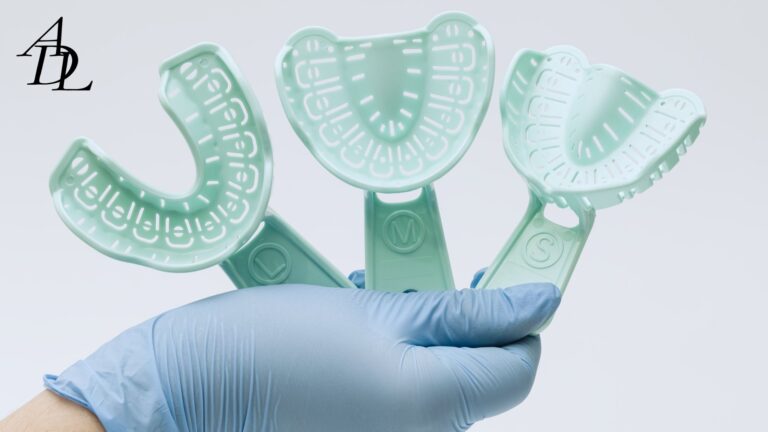
- Impressions or Digital Scans – Captures accurate details for the lab to work from.
- Material & Design Selection – Based on aesthetics, strength, and patient preference.
- Fabrication – The dental lab creates the prosthetic using advanced techniques.
- Fitting & Adjustment – Dentist ensures comfort, function, and aesthetics.
Choosing Between Fixed and Removable Restorations
Consider Fixed Restorations If:
- You want a permanent solution
- You have strong supporting teeth or implants
- Budget allows for a higher initial investment
Consider Removable Restorations If:
- You prefer a more affordable option
- You need flexibility for cleaning
- Your oral health changes over time
Maintenance of Dental Prosthetics
For Fixed Restorations:
- Brush and floss daily
- Use floss threaders or interdental brushes for bridges
- Schedule regular dental checkups
For Removable Restorations:
- Remove and clean daily
- Soak in denture cleaner overnight
- Handle with care to avoid drops
Real-World Examples of Prosthetic Success
Example 1: Crown Restoration After Trauma
A patient fractured a front tooth in an accident. The dental lab crafted an all-ceramic crown that matched perfectly with surrounding teeth.
Example 2: Bridge to Replace Multiple Missing Teeth
An implant-supported bridge restored both function and aesthetics for a patient missing three teeth in a row.
Example 3: Implant-Retained Dentures for Stability
A patient who struggled with loose traditional dentures switched to implant-retained overdentures, achieving vastly improved stability.
Conclusion
From crowns and bridges to partials, dentures, and implants, dental prosthetics offer customized solutions to meet every patient’s needs. Whether you opt for fixed restorations or removable restorations, the skill of your dentist and the quality of the dental lab are essential for success.
Advancements in materials and fabrication techniques mean today’s prosthetics are more comfortable, durable, and lifelike than ever before—restoring not just smiles, but confidence and quality of life.
About Associated Dental Lab
At Associated Dental Lab, we specialize in all forms of dental prosthetics, from precision-crafted fixed restorations like crowns and bridges to expertly made removable restorations such as partials and dentures. Our team works closely with dentists to deliver high-quality, customized solutions that meet the highest standards of function and aesthetics. As a dentist’s trusted full-service dental lab, we are committed to helping you achieve outstanding patient outcomes. Contact us today to see the difference in craftsmanship and care.
Frequently Asked Questions (FAQ)
1. What is the difference between fixed and removable restorations?
Fixed restorations are permanent and cannot be removed by the patient, while removable restorations can be taken out for cleaning and maintenance.
2. How long do crowns and bridges last?
With proper care, a crown or bridge can last 10–15 years or more, depending on materials and oral hygiene.
3. Are implants better than dentures?
Implants offer greater stability and longevity than traditional dentures, but the right choice depends on patient needs, health, and budget.
4. Can removable restorations be adjusted?
Yes, dentists can adjust partials and dentures to improve fit as oral conditions change.
5. How does a dental lab ensure a good fit for prosthetics?
A dental lab works from precise impressions or digital scans and collaborates closely with the dentist for accurate results.
6. What are partial dentures made from?
Partials can be made from acrylic, metal frameworks, or flexible nylon-based materials, each offering different benefits.
7. Why choose Associated Dental Lab?
We combine expert craftsmanship with advanced technology to produce high-quality fixed restorations, removable restorations, crowns, bridges, partials, dentures, and implants that meet the unique needs of your patients.