In the evolving field of dentistry, dental labs are the behind-the-scenes partners that make precision-crafted restorations possible. They bridge the gap between a dentist’s clinical expertise and the final product placed in a patient’s mouth. From fixed restorations like crowns and bridges to removable restorations such as partials and dentures, dental labs are integral to treatment success.
This guide provides an in-depth look at how dental labs work, the range of services they offer, and how their collaboration with dentists directly impacts patient outcomes. By understanding the capabilities and processes of dental labs, dental professionals and patients alike can better appreciate the craftsmanship and technology that go into every restoration.
What Are Dental Labs?
A dental lab is a specialized facility that fabricates dental prosthetics and appliances based on prescriptions and impressions provided by dentists. Skilled technicians in the lab use both artistry and science to create devices that restore oral function, health, and aesthetics.
The Role of Dental Labs in Dentistry
Dental labs are critical partners in delivering patient care. They work closely with dentists to:
- Translate impressions or scans into finished restorations
- Select appropriate materials for strength and aesthetics
- Ensure the final product fits, functions, and looks natural
- Incorporate the latest digital technologies for efficiency and accuracy
Services Provided by Dental Labs
Dental labs offer a wide spectrum of services, often falling into two major categories: fixed restorations and removable restorations.
Fixed Restorations in Dental Labs
Fixed restorations are permanently placed in a patient’s mouth and cannot be removed by the patient. These require high precision and durability.
Common Types of Fixed Restorations
- Crowns – Custom caps that restore damaged teeth or complete an implant restoration.
- Bridges – Replace one or more missing teeth by anchoring to surrounding teeth or implants.
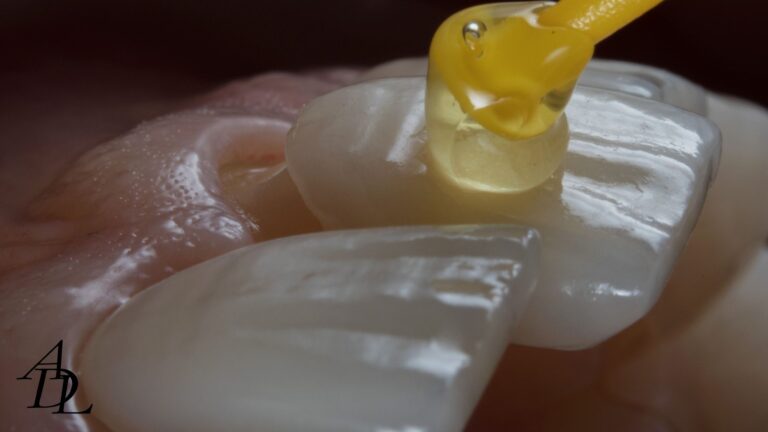
- Veneers – Thin, aesthetic shells that enhance the appearance of front teeth.
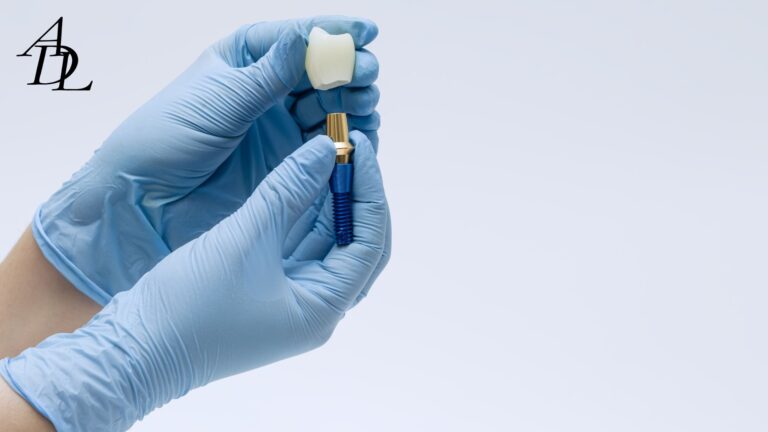
- Implant-Supported Restorations – From single crowns to full arch solutions, implants are restored with custom prosthetics designed by the lab.
Materials Used in Fixed Restorations
- Zirconia – Highly durable and aesthetic, suitable for both front and back teeth.
- Lithium Disilicate (e.max) – Excellent translucency for lifelike appearance.
- Porcelain-Fused-to-Metal (PFM) – Combines strength with aesthetics.
- Full Metal Alloys – Ideal for molars requiring maximum strength.
Example of Fixed Restoration Success
A patient with a fractured molar received a zirconia crown made by the dental lab. The restoration blended perfectly with surrounding teeth and restored full chewing function.
Removable Restorations in Dental Labs
Removable restorations are designed to be taken out by the patient for cleaning and maintenance. They offer flexibility and often come at a lower cost than fixed solutions.
Common Types of Removable Restorations
- Full Dentures – Replace all teeth in an arch, restoring facial structure and oral function.
- Partial Dentures – Replace multiple missing teeth while preserving remaining natural teeth.
- Flexible Partials – Made from nylon-based materials for comfort and aesthetics.
- Nightguards – Protect teeth from bruxism and TMJ issues.
Materials Used in Removable Restorations
- Acrylic Resin – Lightweight and easy to adjust.
- Cobalt-Chrome Alloy – For strong, thin metal frameworks in partial dentures.
- Flexible Thermoplastics – Provide comfort and a discreet appearance.
Example of Removable Restoration Success
A patient struggling with an ill-fitting acrylic partial upgraded to a flexible partial from a dental lab, resulting in improved comfort and confidence when speaking and eating.
How Dentists and Dental Labs Collaborate
The partnership between dentists and dental labs is a continuous process involving communication, planning, and precision.
Workflow Between Dentists and Dental Labs
- Patient Examination – The dentist diagnoses the issue and recommends the appropriate restoration.
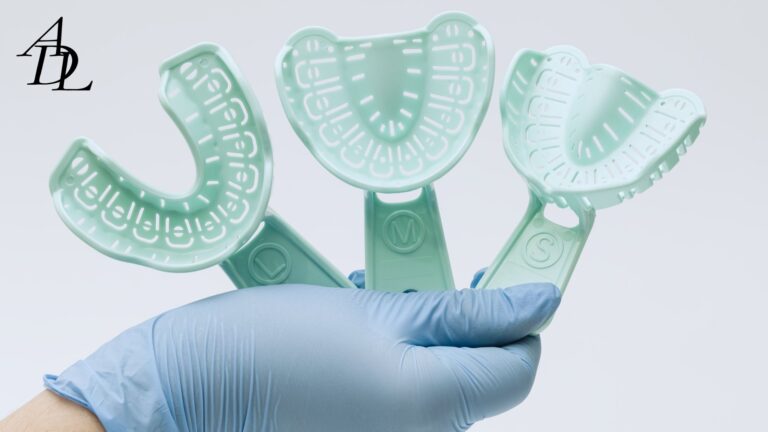
- Impressions or Digital Scans – Accurate records of the patient’s mouth are taken.
- Lab Prescription – The dentist specifies design, material, and shade preferences.
- Fabrication – The dental lab crafts the restoration using the latest techniques.
- Delivery and Adjustment – The dentist places the restoration, making any final adjustments for fit and comfort.
Importance of Communication
Clear communication ensures that the dental lab fully understands the clinical requirements. This minimizes remakes, speeds up turnaround times, and ensures patient satisfaction.
Technology in Modern Dental Labs
Today’s dental labs combine traditional craftsmanship with advanced digital tools.
Digital Dentistry Innovations
- CAD/CAM Design – Computer-aided design and manufacturing for precision and efficiency.
- 3D Printing – Rapid production of models, surgical guides, and provisional restorations.
- Digital Shade Matching – Ensures restorations blend seamlessly with natural teeth.
- Milling Machines – Create durable, accurate prosthetics from high-quality materials.
Benefits of Technology Integration
- Faster turnaround times
- Greater precision in fit and function
- Improved communication between labs and dentists
- Enhanced customization for patient-specific needs
Factors to Consider When Choosing a Dental Lab
For dentists, selecting the right dental lab partner is crucial to practice success.
Key Considerations
- Quality of Work – Consistency in fit, function, and aesthetics.
- Range of Services – Ability to produce both fixed and removable restorations.
- Technology – Utilization of modern equipment and digital workflows.
- Customer Service – Responsiveness and willingness to collaborate.
- Turnaround Time – Reliability in meeting deadlines.
Real-World Examples of Dental Lab Impact
Example 1: Improving Case Acceptance
A dentist partnered with a lab that provided high-quality digital mockups of implant-supported fixed restorations. Patients were able to visualize results before treatment, increasing case acceptance.
Example 2: Reducing Remakes
By using a dental lab with advanced CAD/CAM capabilities, a clinic reduced crown remakes by 40%, saving time and improving patient satisfaction.
Example 3: Enhancing Aesthetics
A patient needing anterior veneers received restorations from a lab specializing in high-translucency ceramics. The results were virtually indistinguishable from natural teeth.
The Future of Dental Labs
With the integration of AI, machine learning, and enhanced digital workflows, dental labs will continue to streamline production, improve accuracy, and expand customization options. These advancements will strengthen the collaboration between labs and dentists, ensuring even better patient outcomes.
Conclusion
Dental labs are the backbone of restorative dentistry, transforming clinical data from dentists into functional, aesthetic fixed restorations and removable restorations. Their role demands precision, artistry, and a commitment to collaboration.
From crafting crowns, bridges, and veneers to designing full dentures and flexible partials, dental labs directly influence the quality of care patients receive. By choosing the right lab partner, dentists can enhance treatment outcomes, boost patient satisfaction, and grow their practice.
About Associated Dental Lab
At Associated Dental Lab, we provide exceptional fixed restorations and removable restorations with a focus on precision, aesthetics, and durability. Our team collaborates closely with dentists to ensure every case is tailored to the patient’s needs. As a dentist’s trusted full-service dental lab, we combine advanced technology with skilled craftsmanship to deliver outstanding results. Contact us today to learn how we can support your restorative and prosthetic needs.
Frequently Asked Questions (FAQ)
1. What is the difference between fixed and removable restorations?
Fixed restorations are permanently placed and cannot be removed by the patient, while removable restorations can be taken out for cleaning and maintenance.
2. How do dental labs ensure a proper fit for restorations?
Dental labs use precise impressions or digital scans from dentists, along with advanced manufacturing techniques, to ensure accuracy.
3. What technologies do modern dental labs use?
Many dental labs use CAD/CAM systems, 3D printing, and digital shade matching to create high-quality prosthetics.
4. How can a dentist choose the right dental lab?
Look for a lab with proven quality, advanced technology, strong communication skills, and reliable turnaround times.
5. Do dental labs work directly with patients?
Typically, dental labs work through dentists rather than directly with patients to ensure proper diagnosis and clinical oversight.
6. Can dental labs make both crowns and dentures?
Yes, full-service dental labs can produce both fixed restorations like crowns and bridges, and removable restorations like partials and dentures.
7. Why choose Associated Dental Lab?
We provide high-quality fixed restorations and removable restorations, partner closely with dentists, and use the latest technology to deliver consistent, exceptional results.