In dentistry, the relationship between a dental office and a dental lab is one of the most critical partnerships for delivering high-quality restorations like crowns, bridges, and fixed prosthetics. Every restoration that leaves the lab and enters a patient’s mouth is the result of precise collaboration between two highly skilled teams.
Yet, even the best clinicians and lab technicians can run into costly mistakes, delays, and remakes when communication breaks down. From unclear prescriptions to missing details on impressions, small oversights can create big setbacks.
This guide will walk you through five proven strategies to strengthen the communication between your dental office and your dental lab—ensuring faster turnaround times, fewer remakes, and more satisfied patients.
1. Standardize Case Submission Protocols
Why Standardization Matters
One of the most common issues in dentistry is inconsistency in the way cases are submitted to the lab. A dental office may send detailed instructions one week and only minimal information the next. For a dental lab, unclear or incomplete case submissions can lead to guesswork, resulting in ill-fitting crowns or bridges.
How to Standardize Submissions
- Create a Case Checklist: Develop a standard form that includes all essential details—patient information, tooth number(s), shade, material choice, bite registration, and due date.
- Use Digital Case Entry Systems: Platforms like Seazona, LabStar, or other client portals ensure no critical information is left out.
- Attach Reference Images: Including intraoral photos or shade guides helps the lab match aesthetics accurately.
Example:
If your dental office consistently uses a digital case portal with required fields, your dental lab will receive complete, clear information every time. This eliminates follow-up calls and delays.
2. Utilize Digital Impressions and CAD/CAM Files
Embracing Technology
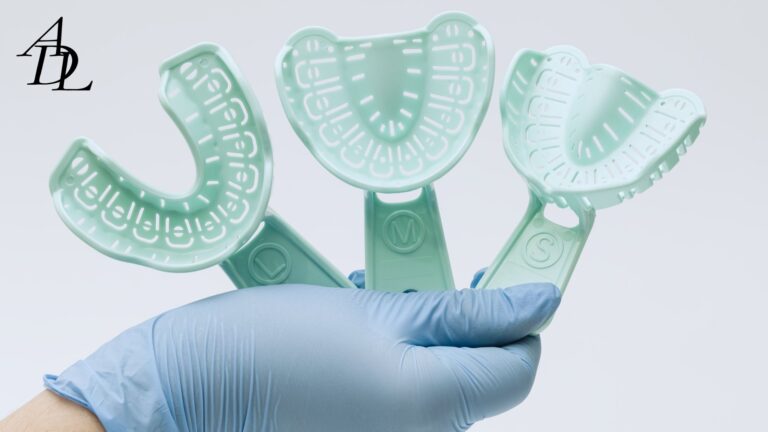
Traditional impressions have been the backbone of dentistry for decades, but digital impressions are now revolutionizing how dental offices communicate with dental labs. By sending digital scans instead of physical models, you reduce shipping time, avoid distortions, and provide the lab with highly accurate data.
Benefits of Digital Workflow
- Speed: Files are transferred instantly to the dental lab.
- Accuracy: Eliminates potential distortion from shipping or material shrinkage.
- Integration with CAD/CAM: Labs can begin designing crowns, bridges, and fixed prosthetics immediately.
Example:
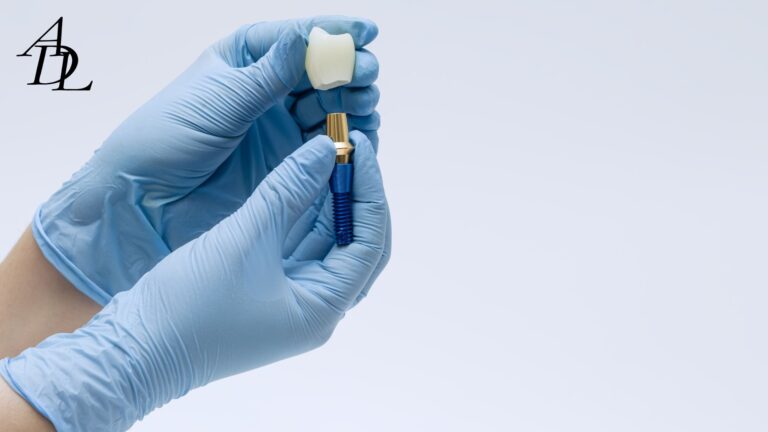
A dental office sending intraoral scans for an implant-supported crown can have a digital design returned from the lab for review within hours—cutting down on chair time and improving patient satisfaction.
3. Schedule Regular Case Review Meetings
The Power of Face-to-Face Communication
While daily case submissions happen through forms and emails, setting aside time for direct communication between the dentist and the lab technician builds stronger working relationships and improves case outcomes.
Meeting Ideas
- Monthly Zoom Calls: Review completed cases, discuss challenges, and share feedback.
- Quarterly In-Person Visits: Allow the dentist to tour the dental lab and understand new technologies or materials being used.
- Case-Specific Consultations: For complex bridges or fixed prosthetics, discuss design considerations before production starts.
Example:
When a dental office notices consistent occlusion issues with their lab’s crowns, a scheduled meeting can uncover that the bite registration method being used isn’t capturing the patient’s natural bite. Adjusting the protocol resolves the problem for future cases.
4. Provide Complete Shade and Material Information
Avoiding Guesswork
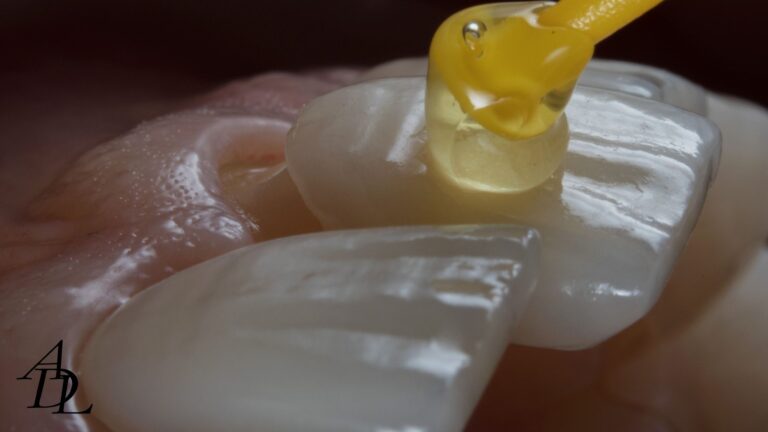
One of the top reasons for remakes in dentistry is poor shade matching. Without accurate shade data and material preferences, a dental lab is left to interpret the case—leading to aesthetic mismatches and patient dissatisfaction.
Tips for Better Shade Communication
- Use Digital Shade-Matching Devices: Tools like Vita Easyshade provide precise readings.
- Photograph Under Natural Light: Take high-resolution images with shade tabs next to the patient’s teeth.
- Specify Material Preferences: Whether you want zirconia, PFM, or all-ceramic for your crowns and bridges, be clear from the start.
Example:
A dentist sending a case for a front-tooth crown can attach multiple photographs showing the tooth in different lighting conditions, along with a written note specifying “full-contour zirconia, shade A2.” The dental lab then fabricates a restoration that blends perfectly.
5. Give and Receive Feedback Promptly
Building a Feedback Loop
Communication is not just about sending information to the lab—it’s also about listening. A strong dental office–dental lab relationship includes ongoing, constructive feedback from both sides.
Feedback Best Practices
- Post-Delivery Reviews: After each restoration is seated, provide the lab with notes on fit, shade, and patient satisfaction.
- Encourage Lab Feedback: Invite your dental lab to suggest improvements in impression technique, prep design, or material choice.
- Document Common Issues: Track recurring challenges so they can be addressed systematically.
Example:
If your dental lab notices that preps for certain fixed prosthetics lack adequate reduction, they can send you a prep guide. Implementing this feedback reduces adjustments and remakes.
Practical Benefits of Better Communication
For the Dental Office
- Fewer remakes mean higher profitability.
- Improved patient satisfaction from faster turnaround times.
- More predictable outcomes for crowns, bridges, and fixed prosthetics.
For the Dental Lab
- Clear instructions reduce guesswork and production errors.
- Better time management from fewer reworks.
- Stronger partnerships leading to long-term business growth.
Real-World Example of Communication Success
A busy dental office in Los Angeles was struggling with inconsistent shade matches for anterior crowns. After implementing a standardized digital submission protocol with attached photographs, their remake rate dropped by 40%. The dental lab reported faster production times, and patients noticed the difference in quality and appearance.
Conclusion
Strong communication between your dental office and dental lab is the foundation for delivering top-tier crowns, bridges, and fixed prosthetics. By standardizing case submissions, embracing digital technology, scheduling regular case reviews, providing complete material information, and maintaining an active feedback loop, both parties can work more efficiently and effectively.
Better communication means fewer remakes, faster turnaround times, and happier patients—a win for everyone in dentistry.
About Associated Dental Lab
At Associated Dental Lab, we pride ourselves on being a dentist’s trusted full-service dental lab. We specialize in crowns, bridges, fixed prosthetics, and a wide range of restorative solutions. Our commitment to communication, precision, and quality has made us the go-to partner for dental offices across the region.
If you’re looking for a dental lab that understands your needs, values clear communication, and delivers consistently excellent results—contact us today to experience the difference.
Frequently Asked Questions (FAQ)
1. Why is communication between my dental office and dental lab so important?
Clear communication ensures accurate case details, reducing remakes and improving the fit and aesthetics of crowns, bridges, and fixed prosthetics.
2. How can digital impressions improve lab communication?
Digital impressions are faster, more accurate, and allow the dental lab to begin designing restorations immediately without waiting for physical models.
3. What’s the best way to avoid shade mismatches?
Provide multiple photographs under different lighting, use shade-matching devices, and specify the exact materials for your restoration.
4. How often should I meet with my dental lab?
A monthly virtual meeting or quarterly in-person visit helps address recurring issues and ensures alignment on complex cases.
5. Can my lab give me feedback on my preps?
Yes, many dental labs appreciate the chance to provide input on prep design, impression quality, and material selection to improve final results.
6. What materials should I specify for crowns and bridges?
Popular materials include zirconia, porcelain-fused-to-metal, and all-ceramic options, depending on the location and function of the restoration.
7. Why choose Associated Dental Lab?
We combine advanced technology with personalized service, making us the preferred full-service dental lab for dentists who demand quality and reliability.rations.