Introduction
In today’s evolving world of dentistry, dental implants have become the gold standard for replacing missing teeth. Whether you are a patient looking for a long-lasting solution or a dentist searching for a trusted dental lab partner, understanding implant solutions is essential.
Modern implants not only restore smiles but also preserve jawbone health and improve overall oral function. From crowns and bridges to advanced fixed prosthetics, dental labs now offer customized, precise restorations designed to blend seamlessly with natural teeth. This article dives deep into how implant solutions work, the role of dental labs, and why choosing the right partner in dentistry makes all the difference.
Understanding Dental Implants
What Are Dental Implants?
A dental implant is a titanium or zirconia post surgically placed into the jawbone to replace a missing tooth root. Once integrated with the bone through a process called osseointegration, it serves as a strong foundation for restorations like crowns, bridges, or dentures.
Key benefits of implants include:
- Long-lasting durability
- Natural look and feel
- Preservation of bone structure
- Improved chewing and speaking ability
- No alteration to adjacent teeth (unlike traditional bridges)
Components of an Implant
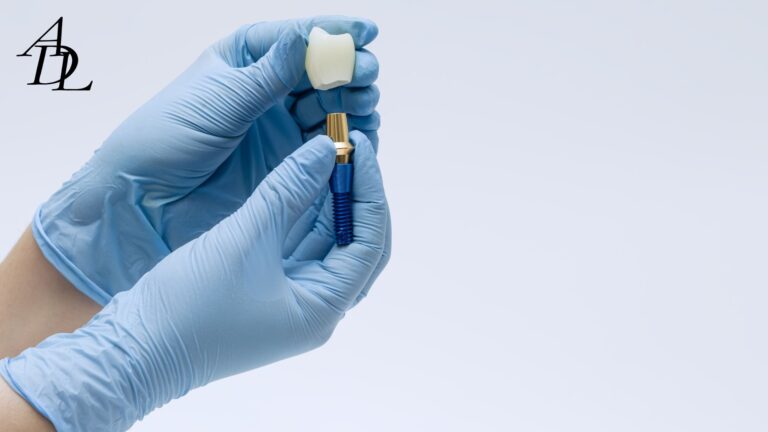
Every implant solution has three primary components:
- Implant Fixture – The titanium or zirconia screw that integrates with the jawbone.
- Abutment – A connector that links the fixture to the restoration.
- Restoration – The visible part, such as a crown, bridge, or fixed prosthetic.
The Role of a Dental Lab in Implant Solutions
Why Dental Labs Are Essential
A dental lab is the bridge between surgical placement and final restoration. Once the implant is placed and the area heals, the dental lab creates the customized restoration to fit perfectly in the patient’s mouth.
Dental labs:
- Work with digital impressions for accuracy
- Customize shade and shape for natural aesthetics
- Use high-quality materials for strength and longevity
- Provide both temporary and final restorations
Collaboration Between Dentist and Lab
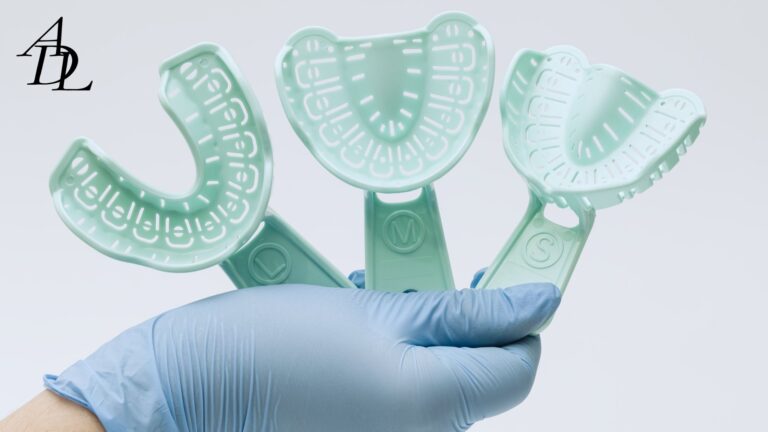
A successful implant case requires precise communication between the dentist and the lab. The dentist provides impressions or digital scans, along with details like shade, bite registration, and material preferences. The dental lab then designs and fabricates the final restoration.
Implant-Supported Crowns
What Is an Implant Crown?
An implant crown is a single-tooth restoration attached directly to the implant abutment. It is ideal when only one tooth is missing.
Advantages of implant crowns:
- Mimic the appearance of natural teeth
- Strong and long-lasting
- Preserve surrounding teeth by avoiding grinding down healthy enamel
Types of Implant Crowns
- Screw-Retained Crowns – Easily removed for maintenance, with no cement required.
- Cement-Retained Crowns – Provide superior aesthetics by hiding the screw access hole.
Implant-Supported Bridges
When Are Bridges Used?
An implant-supported bridge is used when two or more adjacent teeth are missing. Instead of placing an implant for every missing tooth, two implants can anchor a bridge.
Benefits:
- Reduced cost compared to replacing each tooth individually
- Stability and comfort similar to natural teeth
- Prevention of shifting teeth and bone loss
Bridge Materials
Modern dental labs craft bridges from materials such as:
- Zirconia – Highly durable and aesthetic
- Porcelain-fused-to-metal (PFM) – Strong with a natural look
- All-ceramic – Excellent for front teeth aesthetics
Fixed Prosthetics in Implant Dentistry
What Are Fixed Prosthetics?
Fixed prosthetics are non-removable restorations supported by implants. This category includes full-arch implant bridges and hybrid dentures, offering a stable, long-term solution for patients missing multiple teeth.
Benefits of Fixed Prosthetics
- Superior stability compared to removable dentures
- Prevention of bone resorption
- Lifelong solution with proper care
- Allows normal eating and speaking
Types of Fixed Prosthetics
- Full-Arch Zirconia Bridges – Highly aesthetic and strong.
- Acrylic Hybrid Prosthetics – Lightweight with a natural look.
- Metal Framework Bridges – Ideal for strength in high-bite force patients.
Step-by-Step Implant Process
1. Consultation & Treatment Planning
- Dentist evaluates the patient’s oral health, bone density, and treatment options.
- CBCT scans and digital impressions may be taken.
2. Surgical Placement
- Implant is placed into the jawbone under local anesthesia.
- Healing time ranges from 3–6 months depending on the case.
3. Abutment Placement
- Once healed, an abutment is attached to the implant fixture.
4. Restoration Fabrication
- The dental lab designs the crown, bridge, or prosthetic.
5. Final Placement
- The dentist secures the restoration and adjusts bite alignment.
Materials Used in Implant Restorations
Common materials in modern implant dentistry include:
- Zirconia – Strength, durability, and lifelike appearance.
- Porcelain – Natural aesthetics for visible areas.
- Metal Alloys – High strength, used in substructures.
- Acrylic Resin – Lightweight and cost-effective for full-arch solutions.
Choosing the Right Dental Lab for Implants
Qualities to Look For
- Proven experience in implant restorations
- Access to advanced digital technology
- Range of material options
- Strong communication and support for dentists
Questions to Ask Your Dental Lab
- What materials do you recommend for my case?
- Do you offer screw-retained and cement-retained options?
- How do you ensure a perfect shade match?
Implant Care & Maintenance
Daily care tips:
- Brush twice daily with a soft-bristled toothbrush
- Use floss or water flossers designed for implants
- Visit the dentist regularly for check-ups and professional cleanings
- Avoid chewing hard foods like ice or hard candy
Cost Factors for Implant Solutions
Several factors influence the cost of implants:
- Number of implants required
- Type of restoration (crown, bridge, or fixed prosthetic)
- Material selection
- Geographic location and lab fees
The Future of Implant Dentistry
Advancements in digital workflows, 3D printing, and biomaterials are making implants more accessible and predictable. Dental labs now use CAD/CAM technology to produce restorations with unmatched accuracy, helping patients receive faster, better-fitting results.
Conclusion
Implants have revolutionized dentistry, offering patients a permanent, natural-looking solution to missing teeth. From crowns and bridges to fixed prosthetics, the partnership between a skilled dentist and a reliable dental lab ensures optimal function and aesthetics. With proper planning, material selection, and maintenance, implants can last a lifetime—restoring not just smiles, but confidence and quality of life.
Frequently Asked Questions (FAQ)
1. How long do dental implants last?
With proper care, dental implants can last 20+ years, and in many cases, a lifetime. The crown or bridge on top may need replacement after 10–15 years due to normal wear.
2. Is getting an implant painful?
Most patients experience minimal discomfort during the procedure thanks to local anesthesia. Post-surgery, mild soreness is common and manageable with over-the-counter pain medication.
3. Can implants be used for multiple missing teeth?
Yes. Implant-supported bridges or fixed prosthetics can replace several missing teeth without the need for individual implants for each gap.
4. What is the difference between a crown and a bridge?
A crown covers a single implant or damaged tooth, while a bridge spans multiple missing teeth, supported by implants or natural teeth.
5. How do I choose the right dental lab?
Look for a dental lab with experience in fixed prosthetics, modern technology, and strong dentist-lab communication.
6. Are implants covered by insurance?
Many dental insurance plans partially cover implants, crowns, or bridges. Patients should confirm coverage with their provider.
7. How do I care for implant-supported restorations?
Maintain them like natural teeth: brush, floss, and visit the dentist regularly for professional cleanings.