In dentistry, precision is everything. Even the smallest margin of error in a crown, bridge, or denture can mean hours of additional work, frustrated patients, and increased costs. For dentists, reducing remakes isn’t just about avoiding inconvenience—it’s about protecting their reputation, improving efficiency, and delivering consistent results.
This is where the expertise of a skilled dental lab for dentists comes into play. When you partner with a lab that prioritizes dental lab quality control, dental restoration accuracy, and precision dental prosthetics, you significantly improve your dental lab case success rate. From the dental crown fit guarantee to best practices in fabrication, the right lab becomes an essential extension of your clinical team.
In this article, we’ll explore exactly how a trusted dental prosthetics manufacturer like Associated Dental Lab helps reduce dental restoration remakes, improve turnaround times, and ensure long-term patient satisfaction.
Why Dental Restoration Remakes Are Costly for Dentists
The Financial Impact of Remakes
Every remake means lost chair time, wasted materials, and additional lab fees. Even if your lab offers a remake at no charge, you still pay the price in:
- Lost production time
- Scheduling disruptions
- Extra staff hours
- Delayed patient satisfaction
The Risk to Your Reputation
Multiple remakes can damage patient trust. Patients expect accurate dental restorations on the first try. If they experience multiple adjustments or delays, they may lose confidence in your practice.
The Hidden Opportunity Costs
Time spent on remakes is time not spent on new patients or additional procedures. Improving your dental lab case success rate directly translates to increased productivity and profitability.
How a Skilled Dental Lab Prevents Remakes
1. Rigorous Dental Lab Quality Control
At Associated Dental Lab, dental lab quality control is built into every stage of production. Each case goes through multiple checkpoints to verify dental restoration accuracy before it ever reaches your office.
Quality control includes:
- Verifying margins and contact points
- Checking occlusion and articulation
- Ensuring correct shade and texture match
- Confirming material specifications match prescription
2. Precision Dental Prosthetics Through Technology
Advanced CAD/CAM design, 3D printing, and digital milling allow for precision dental prosthetics with consistent accuracy. These technologies reduce human error and ensure each unit meets exact design parameters.
3. Detailed Dental Lab Communication Process
A successful case begins with clear communication. The dental lab communication process at Associated Dental Lab includes:
- Reviewing all prescriptions for completeness
- Clarifying unclear details before fabrication
- Sending digital previews or case updates when necessary
- Maintaining open channels for questions or adjustments
This proactive approach eliminates guesswork and minimizes misunderstandings that often lead to remakes.
4. Guidance on Dental Impression Quality Tips
A high-quality impression is the foundation of accurate dental restorations. Skilled labs work closely with dentists to ensure impressions meet strict standards. Associated Dental Lab provides dental impression quality tips, such as:
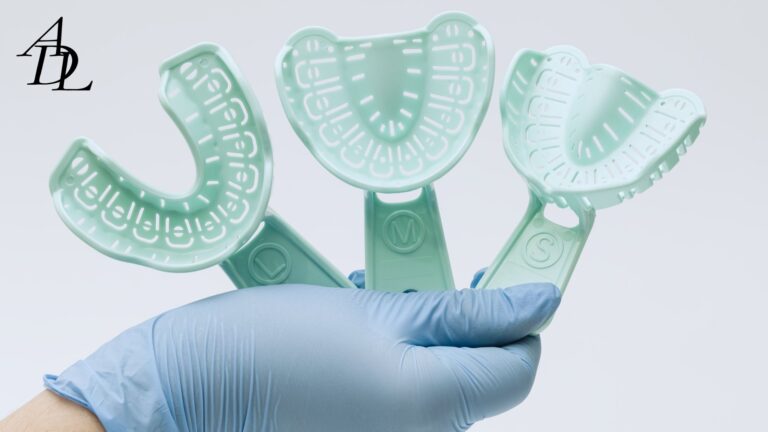
- Using the right tray size for complete coverage
- Ensuring proper material setting time
- Checking for voids or pulls before sending
- Leveraging digital impressions for maximum precision
Better impressions mean fewer adjustments and a higher dental lab case success rate.
The Dental Crown Fit Guarantee: Why It Matters
One of the most common sources of remakes is poor crown fit. A reliable dental crown fit guarantee means your lab stands behind its work. Associated Dental Lab ensures:
- Proper marginal adaptation
- Correct occlusal contact
- Accurate shade matching
- Full seating without excessive adjustment
This commitment saves dentists from costly chairside modifications and ensures patients leave satisfied on delivery day.
Best Practices for Dental Lab Cases to Reduce Remakes
- Provide Complete Case Information
Include detailed shade maps, occlusal clearance notes, and patient-specific preferences. - Use Digital Impressions
Digital scans improve dental prosthetic fit accuracy and reduce shipping time. - Select the Right Materials
Match materials to the patient’s functional and aesthetic needs. - Collaborate on Treatment Planning
Discuss complex cases with the lab beforehand to ensure design feasibility. - Request Progress Updates
Stay informed about your case’s status to catch potential issues early.
By following these best practices, you work in tandem with your lab to increase high-quality dental lab work and minimize remakes.
Real-World Examples of Reduced Remakes
Example 1: Complex Bridge Case Success
A Los Angeles dentist sent a multi-unit bridge to Associated Dental Lab after experiencing repeated remakes with a previous provider. With better communication and precise digital milling, the case seated perfectly on the first try, saving over three hours of chair time.
Example 2: Faster Turnaround Without Sacrificing Quality
A busy clinic required dental restoration turnaround time under five days for crowns. The lab delivered consistently accurate results within the timeframe, eliminating delays and increasing patient satisfaction.
Example 3: Improving Implant Restoration Accuracy
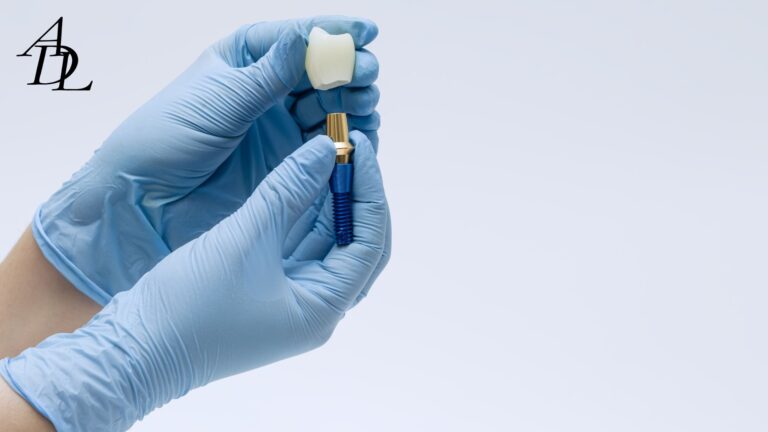
An implant-supported crown case was completed with perfect occlusion and contact on the first attempt thanks to Associated Dental Lab’s advanced scanning and verification protocols.
The Role of a Dental Prosthetics Manufacturer in Reliability
A true dental prosthetics manufacturer offers more than fabrication—they provide predictability. Associated Dental Lab’s reputation for dental lab reliability comes from:
- Skilled technicians with years of experience
- Strict adherence to material and design standards
- Continuous investment in new technology
- A commitment to ongoing education for staff and clients
How Reducing Remakes Improves Practice Efficiency
Less Time Spent on Adjustments
With precision dental prosthetics, your seating appointments are shorter and smoother.
More Time for New Patients
Fewer remakes free up your schedule for additional procedures and consultations.
Improved Staff Morale
Your team spends less time troubleshooting and more time delivering great patient experiences.
Higher Patient Retention
When patients receive accurate dental restorations the first time, they’re more likely to return and refer others.
Conclusion
Reducing remakes is not just about saving money—it’s about delivering exceptional care efficiently. By partnering with a skilled dental lab for dentists that prioritizes dental lab quality control, dental restoration accuracy, and precision dental prosthetics, you can significantly increase your dental lab case success rate.
Associated Dental Lab is committed to high-quality dental lab work, predictable outcomes, and faster dental restoration turnaround times. Our focus on communication, technology, and craftsmanship means you can trust us to deliver restorations that fit right the first time, every time.
About Associated Dental Lab
Based in Los Angeles, Associated Dental Lab is a full-service provider offering both fixed and removable solutions. From dental crown fit guarantees to expert dental impression quality tips, we work alongside dentists to reduce dental restoration remakes and maximize patient satisfaction. Contact us today to work with a dentist’s trusted full-service dental lab.
Frequently Asked Questions (FAQ)
1. How does dental lab quality control reduce remakes?
By checking every step of fabrication for accuracy, dental lab quality control ensures restorations fit and function correctly before they leave the lab.
2. What affects dental restoration accuracy?
Factors include impression quality, material selection, communication between dentist and lab, and the lab’s adherence to precision dental prosthetics standards.
3. How can I improve my dental lab case success rate?
Use complete prescriptions, provide detailed patient data, and follow best practices for dental lab cases to support high-quality dental lab work.
4. What is a dental crown fit guarantee?
It’s the lab’s commitment that your crown will fit properly upon delivery, reducing adjustments and remakes.
5. Can digital impressions reduce remakes?
Yes, digital impressions greatly improve dental prosthetic fit accuracy and eliminate many issues caused by traditional impressions.
6. Why choose a dental prosthetics manufacturer like Associated Dental Lab?
We combine craftsmanship with advanced technology to deliver consistent, accurate dental restorations with fast dental restoration turnaround times.
7. How important is the dental lab communication process?
Clear, consistent communication helps avoid misunderstandings that can lead to remakes, ensuring reliable case outcomes.