The integration of 3D printing into digital dentistry has completely transformed how dental professionals approach treatment planning, fabrication, and delivery of restorations. From same-day crowns to complex fixed prosthetics, what once took weeks can now be achieved in a fraction of the time with unmatched accuracy.
As a full-service dental lab, adopting 3D printing technology isn’t just about keeping up with industry trends—it’s about providing faster, more consistent, and more personalized dental solutions for patients. This technological leap is shaping the future of dentistry and redefining the relationship between dentists, dental labs, and their patients.
What is 3D Printing in Dentistry?
3D printing, also known as additive manufacturing, is the process of creating physical dental models, appliances, or restorations by layering material based on a digital design. This technology integrates seamlessly with CAD/CAM systems, intraoral scanning, and digital workflows.
Key features of 3D printing in dentistry include:
- Precision fabrication of custom dental restorations
- Faster turnaround times compared to traditional methods
- Integration with digital impression systems for accuracy
- Reduced material waste compared to subtractive manufacturing
The Evolution from Traditional to Digital Dentistry
Before digital dentistry and 3D printing, dental restorations relied heavily on manual processes. Dental impressions were taken using physical materials, shipped to a lab, and manually crafted by skilled technicians. While effective, this process was time-consuming and introduced opportunities for distortion and human error.
With the arrival of intraoral scanners, digital workflows, and 3D printing, dental labs can now produce restorations such as crowns, bridges, surgical guides, and dentures with extreme precision and far shorter lead times.
Benefits of 3D Printing for Dental Offices and Full-Service Dental Labs
Speed and Efficiency
One of the most significant advantages of 3D printing in dentistry is speed. A full-service dental lab can now produce surgical guides or temporary crowns in hours instead of days.
Benefits include:
- Same-day or next-day delivery of certain restorations
- Faster turnaround for urgent patient cases
- Streamlined workflow for both dentists and labs
Accuracy and Consistency
3D printing technology ensures that every restoration—whether it’s a fixed prosthetic, aligner model, or denture base—matches the patient’s digital scan perfectly. This reduces adjustments and remakes.
Cost-Effectiveness
While the initial investment in 3D printing equipment is significant, the long-term cost savings are substantial. Reduced labor, fewer remakes, and faster production times make 3D printing an efficient choice for full-service dental labs.
Enhanced Patient Experience
Patients benefit from shorter wait times, better-fitting restorations, and the ability to visualize their treatment outcomes through digital previews before fabrication.
Applications of 3D Printing in Dentistry
Crowns and Bridges
3D printing enables precise fabrication of temporary and permanent crowns and bridges. In digital dentistry, labs can receive a scan from the dental office and design the restoration immediately, eliminating the need for physical impressions.
Fixed Prosthetics
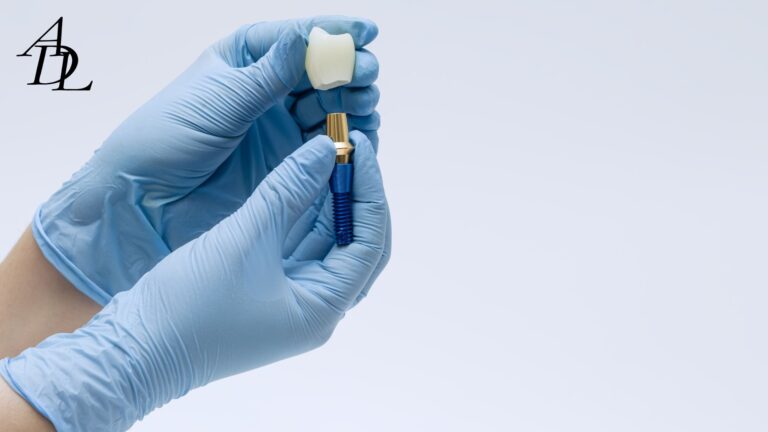
Complex fixed prosthetics such as full-arch implant restorations can be designed digitally and printed with high-strength materials. This process ensures optimal fit and long-term durability.
Surgical Guides
For implant placement, 3D printed surgical guides provide dentists with exact drilling positions, improving accuracy and reducing surgery time.
Denture Bases
Custom denture bases can be 3D printed to match the patient’s anatomy, reducing adjustment appointments.
Orthodontic Models and Appliances
3D printing is widely used for clear aligner models, retainers, and other orthodontic devices, enabling faster treatment starts.
The Digital Dentistry Workflow with 3D Printing
Step 1: Digital Scanning
The process begins with intraoral or desktop scanning, capturing a precise 3D model of the patient’s teeth and oral structures.
Step 2: CAD Design
Using CAD software, the dental restoration or appliance is digitally designed. Dentists and labs can collaborate in real-time to finalize details.
Step 3: 3D Printing
The finalized design is sent to the 3D printer, where layers of resin, metal, or ceramic are built up to form the physical restoration.
Step 4: Post-Processing
Printed items are cleaned, cured, and finished. In the case of crowns or bridges, they may be stained and glazed for a natural look.
Step 5: Delivery and Fitting
The restoration is delivered to the dental office for fitting. Digital workflows ensure minimal adjustments are needed.
Materials Used in 3D Printing for Dentistry
- Dental Resins: Ideal for temporary crowns, bridges, and denture bases
- Ceramics: Used for highly aesthetic permanent restorations
- Metal Alloys: Utilized for frameworks in fixed prosthetics
- Clear Resins: For surgical guides and orthodontic appliances
Real-World Examples of 3D Printing Impact
- A dental office needed an urgent implant surgical guide. The full-service dental lab received the digital scan in the morning, printed the guide, and shipped it the same day, allowing the surgery to proceed without delay.
- A patient with a broken front tooth received a same-day printed temporary crown while waiting for the final zirconia restoration.
- Orthodontic patients began aligner therapy within 48 hours of their initial scan thanks to in-house printed models.
Challenges and Considerations in 3D Printing
While 3D printing has many benefits, it’s important to consider:
- Initial investment in equipment and training
- Choosing the right printer and materials for specific dental applications
- Staying updated on technological advancements to remain competitive
The Future of 3D Printing in Digital Dentistry
As digital dentistry continues to advance, 3D printing will play an even greater role in everyday practice. Developments in biocompatible materials, faster printers, and AI-driven design will make the process even more efficient.
Predicted innovations include:
- Full-arch permanent restorations printed in a single day
- Wider adoption of chairside 3D printing for same-day service
- Integration with AI for automated case design
Conclusion
The rise of 3D printing in digital dentistry has transformed the capabilities of the full-service dental lab. From fixed prosthetics and surgical guides to crowns and dentures, the speed, accuracy, and customization possible today are unmatched in the history of dentistry.
For dental offices, partnering with a lab that embraces these technologies means delivering exceptional results faster, with fewer adjustments and greater patient satisfaction.
About Associated Dental Lab
At Associated Dental Lab, we are committed to staying at the forefront of digital dentistry by integrating advanced 3D printing technology into our workflow. As a dentist’s trusted full-service dental lab, we provide precision-crafted crowns, bridges, dentures, surgical guides, and fixed prosthetics with unmatched turnaround times.
If you’re ready to work with a lab that combines cutting-edge technology with decades of expertise, contact Associated Dental Lab today.
Frequently Asked Questions (FAQ)
1. How is 3D printing used in dentistry?
3D printing is used to create crowns, bridges, dentures, surgical guides, and orthodontic appliances directly from digital scans.
2. What are the benefits of 3D printing for a full-service dental lab?
It allows for faster turnaround times, higher accuracy, and cost-effective production of restorations and appliances.
3. Can 3D printing be used for permanent dental restorations?
Yes, with advanced materials like ceramics and metal alloys, 3D printing can produce durable, permanent restorations such as crowns and fixed prosthetics.
4. Does 3D printing improve accuracy in dental work?
Absolutely. By working directly from digital scans, 3D printing ensures a precise fit, reducing the need for adjustments.
5. How does 3D printing fit into digital dentistry?
It’s a core component, enabling a seamless workflow from digital scanning and CAD design to final restoration fabrication.
6. What materials are used for dental 3D printing?
Common materials include dental resins, ceramics, metal alloys, and clear resins for guides and orthodontic appliances.
7. Why choose Associated Dental Lab for 3D printed restorations?
We combine advanced 3D printing technology with personalized service to deliver exceptional results for crowns, bridges, and fixed prosthetics.